We earn a commission if you make a purchase, at no additional cost to you.
⭐ Our Top Pick
🏆 Best Overall: PetSafe Drinkwell Platinum Pet Fountain — Large capacity and flowing stream design make monitoring water intake easier while encouraging healthy hydration.
💰 Best Value: Catit Flower Fountain — Affordable option that still provides the benefits of a water fountain to track consumption patterns.
Introduction
You've noticed your cat is visiting the water bowl more frequently than usual, or perhaps you're refilling it multiple times a day when once was always enough. While increased water intake might seem like a minor behavioral change, it can be one of the earliest warning signs of serious underlying health conditions in cats.
Polydipsia—the medical term for excessive thirst—isn't a disease itself, but rather a symptom that something else is wrong. Based on verified veterinary data and clinical studies, we've compiled the 9 most common medical causes behind increased water consumption in cats, from diabetes mellitus to chronic kidney disease. Understanding these conditions and recognizing the warning signs can mean the difference between early intervention and advanced disease.
In this guide, we'll walk you through each potential cause, the accompanying symptoms to watch for, and exactly when you need to schedule that vet appointment. We've also reviewed monitoring tools and water fountains that can help you track your cat's drinking habits more accurately.
What to Look For in Your Cat's Drinking Behavior
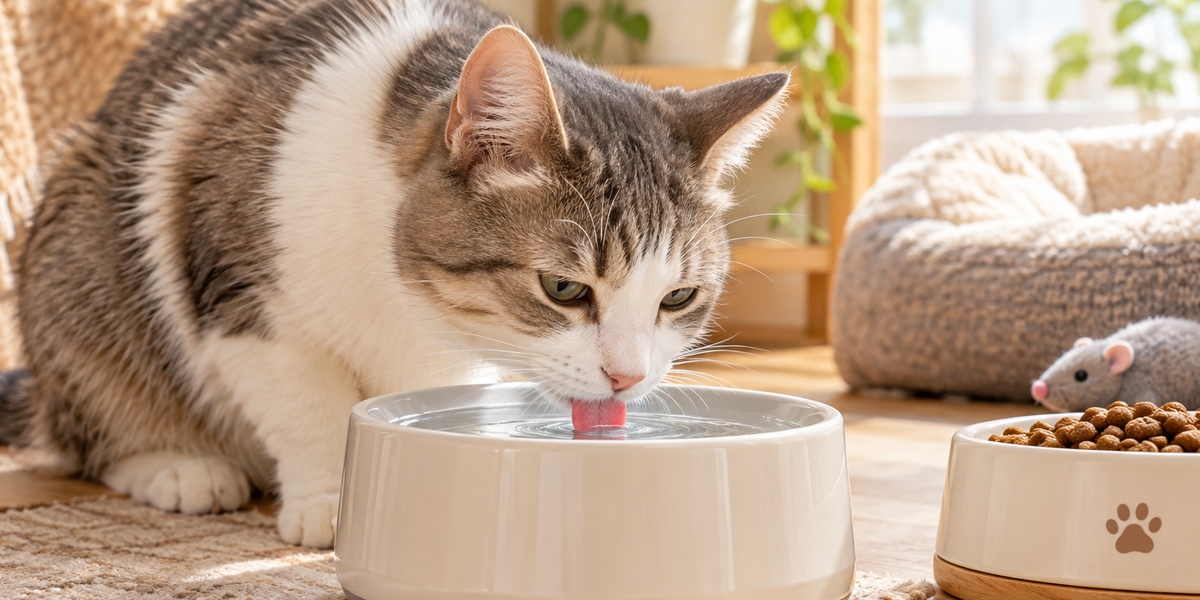
Normal vs. Excessive Water Intake: A healthy cat typically drinks 3.5–4.5 ounces of water per 5 pounds of body weight daily. A 10-pound cat drinking more than 7.5 ounces (roughly one cup) per day warrants attention, especially if this represents a sudden change from their baseline.
Accompanying Symptoms: Increased thirst rarely appears in isolation. Watch for increased urination (polydipsia and polyuria typically occur together), weight loss despite normal appetite, lethargy, vomiting, or changes in litter box habits. The combination of symptoms helps narrow down the underlying cause.
Duration and Onset: Sudden onset of excessive drinking (over days to weeks) often indicates acute conditions like infections or poisoning, while gradual increases over months suggest chronic conditions like kidney disease or hyperthyroidism.
Environmental Factors to Rule Out: Before assuming a medical cause, consider whether increased activity, warmer weather, dietary changes (especially switching to dry food), or stress could explain the behavior. Medical causes persist regardless of environmental changes.
Tracking Tools: Using a measured water fountain or marking your cat's water bowl can help quantify intake. Take photos of daily water levels or use a measuring cup to document consumption before your vet visit—concrete data is more useful than "seems like a lot."
When It's an Emergency: If excessive drinking is accompanied by weakness, inability to stand, seizures, or complete loss of appetite, seek emergency veterinary care immediately. These signs can indicate diabetic ketoacidosis or acute kidney failure.
The 9 Most Common Medical Causes
1. Chronic Kidney Disease (CKD)
Chronic kidney disease affects up to 30% of cats over age 10 and is one of the leading causes of polydipsia in felines. As kidney function declines, the organs lose their ability to concentrate urine effectively, leading to increased urine production and compensatory drinking to prevent dehydration.
Key symptoms: Increased urination, weight loss, poor coat quality, decreased appetite, vomiting, and lethargy. In advanced stages, you may notice ammonia-smelling breath or mouth ulcers.
Why it causes excessive drinking: Damaged kidneys can't reabsorb water efficiently, so cats must drink more to maintain hydration. The body is essentially trying to "flush out" waste products that kidneys can no longer filter properly.
Diagnosis and prognosis: Blood work (checking creatinine and BUN levels) and urinalysis confirm CKD. While not curable, early detection allows for dietary management, fluid therapy, and medications that can slow progression and maintain quality of life for years.
💡 Pro Tip: If your senior cat is drinking more water, don't wait for other symptoms to appear. Early-stage kidney disease is often asymptomatic except for polydipsia, and early intervention makes the biggest difference in long-term outcomes.
2. Diabetes Mellitus
Feline diabetes mellitus occurs when the pancreas doesn't produce enough insulin or cells become resistant to insulin, preventing glucose from entering cells for energy. The excess glucose in the bloodstream spills into urine, pulling water with it through osmotic pressure.
Key symptoms: The classic triad is polydipsia (excessive drinking), polyuria (excessive urination), and polyphagia (excessive eating) combined with weight loss. Cats may also develop a plantigrade stance (walking on their hocks instead of toes) due to diabetic neuropathy.
Why it causes excessive drinking: High blood sugar leads to glucose in the urine, which draws water out of the body. Cats drink excessively to compensate for the water lost through frequent urination.
Diagnosis and treatment: Blood glucose testing and fructosamine levels confirm diabetes. Many cats can achieve remission with insulin therapy, dietary changes to low-carbohydrate food, and weight management. Regular monitoring is essential.
3. Hyperthyroidism
Hyperthyroidism is the most common endocrine disorder in cats over age 8, caused by a benign tumor on the thyroid gland that produces excessive thyroid hormone. This revs up the entire metabolism, increasing the body's water needs.
Key symptoms: Weight loss despite ravenous appetite, hyperactivity or restlessness, poor coat quality, vomiting, diarrhea, and increased vocalization. You may also notice a visible lump in the neck area.
Why it causes excessive drinking: The accelerated metabolism increases body temperature and metabolic waste production, both of which increase water requirements. Some cats also develop secondary kidney disease, compounding the polydipsia.
Diagnosis and treatment: A simple blood test measuring T4 levels confirms hyperthyroidism. Treatment options include daily medication (methimazole), radioactive iodine therapy (curative), or surgical removal of the thyroid gland.
4. Urinary Tract Infections and Lower Urinary Tract Disease
While less common than in dogs, bacterial urinary tract infections can cause increased drinking in cats, especially those with concurrent conditions like diabetes or kidney disease. Feline lower urinary tract disease (FLUTD) encompasses several conditions affecting the bladder and urethra.
Key symptoms: Frequent trips to the litter box with small amounts of urine, straining to urinate, blood in urine, urinating outside the litter box, and vocalization during urination. Some cats drink more to "flush" the discomfort.
Why it causes excessive drinking: Inflammation and irritation of the urinary tract trigger increased water intake as a compensatory mechanism. Additionally, the frequent urination (even if in small amounts) causes mild dehydration.
Diagnosis and treatment: Urinalysis and urine culture identify infections. Treatment includes antibiotics for bacterial infections, pain management, dietary changes, and addressing underlying causes like crystals or stones. If your cat is also sneezing frequently or showing other signs of illness, mention this to your vet as upper respiratory infections sometimes coincide with stress-related lower urinary tract issues.
💡 Pro Tip: Male cats with urinary issues require immediate veterinary attention—a blocked urethra is a life-threatening emergency that can develop within hours.
5. Liver Disease (Hepatic Lipidosis and Cholangiohepatitis)
Liver disease in cats can manifest as hepatic lipidosis (fatty liver disease) or cholangiohepatitis (inflammation of the liver and bile ducts). Both conditions can cause increased drinking as the body attempts to flush toxins that the compromised liver can't process.
Key symptoms: Jaundice (yellowing of eyes, gums, and skin), loss of appetite, vomiting, weight loss, lethargy, and sometimes diarrhea. Hepatic lipidosis often follows a period of not eating.
Why it causes excessive drinking: Impaired liver function leads to buildup of toxins and metabolic byproducts that increase thirst. Additionally, some forms of liver disease cause inflammation that triggers increased water intake.
Diagnosis and treatment: Blood chemistry panels showing elevated liver enzymes, bilirubin, and bile acids point to liver disease. Ultrasound and sometimes biopsy confirm the diagnosis. Treatment depends on the underlying cause but typically includes nutritional support, antibiotics if infection is present, and supportive care.
6. Pyometra (Uterine Infection)
Pyometra is a life-threatening infection of the uterus that occurs in unspayed female cats, most commonly in middle-aged to senior cats. The infected uterus fills with pus, causing systemic illness and toxemia.
Key symptoms: Excessive drinking and urination, lethargy, vaginal discharge (though not always present in "closed" pyometra), vomiting, and abdominal distension. Cats may also run a fever.
Why it causes excessive drinking: The bacterial toxins from the uterine infection affect kidney function and cause systemic inflammation, both of which increase water consumption. The body also uses increased drinking to help flush out toxins.
Diagnosis and treatment: Physical exam, bloodwork showing elevated white blood cells, and ultrasound confirm pyometra. Emergency spay surgery (ovariohysterectomy) is the only definitive treatment and must be performed promptly to prevent sepsis.
7. Hypercalcemia (Elevated Blood Calcium)
Hypercalcemia refers to abnormally high calcium levels in the blood, which can result from various causes including cancer (lymphoma is common in cats), kidney disease, or rarely, overactive parathyroid glands.
Key symptoms: Excessive drinking and urination, weakness, constipation, poor appetite, and vomiting. Symptoms often develop gradually.
Why it causes excessive drinking: Elevated calcium interferes with the kidneys' ability to concentrate urine by disrupting the action of antidiuretic hormone (ADH). This leads to increased urination and compensatory drinking.
Diagnosis and treatment: Blood work measuring ionized calcium confirms hypercalcemia. Treatment focuses on identifying and addressing the underlying cause, whether that's cancer, kidney disease, or another condition. Fluid therapy helps lower calcium levels acutely.
8. Medications and Toxins
Certain medications and toxins can cause increased drinking as a side effect or direct toxic effect on the kidneys. Common culprits include corticosteroids (prednisone), diuretics, anticonvulsants, and exposure to antifreeze (ethylene glycol) or lilies.
Key symptoms: Variable depending on the substance, but may include increased drinking and urination, vomiting, weakness, seizures (in toxin cases), or changes in behavior.
Why it causes excessive drinking: Corticosteroids increase kidney blood flow and interfere with ADH, leading to dilute urine. Diuretics directly increase urine production. Toxins like antifreeze cause kidney damage that results in inability to concentrate urine.
Diagnosis and treatment: Medication history and toxin exposure history are crucial. If medication-induced, the symptom typically resolves after discontinuing the drug (under veterinary supervision). Toxin exposure requires emergency treatment—antifreeze poisoning in particular is time-critical.
9. Psychogenic Polydipsia (Behavioral)
Psychogenic polydipsia is a diagnosis of exclusion—excessive drinking without an identifiable medical cause, thought to be related to stress, anxiety, or compulsive behavior. It's relatively rare in cats compared to medical causes.
Key symptoms: Increased drinking without other signs of illness, normal bloodwork and urinalysis, and often a history of anxiety or environmental stressors.
Why it occurs: The exact mechanism isn't fully understood, but it's believed to be a stress-coping behavior similar to compulsive grooming. Changes in household routine, new pets, or moving can trigger it.
Diagnosis and treatment: This requires ruling out all medical causes through comprehensive testing. Treatment involves addressing environmental stressors, enrichment activities, and sometimes anti-anxiety medications. However, always pursue medical testing first—assuming behavioral causes when a medical condition exists can be dangerous.
Monitoring Your Cat's Water Intake: Tools and Products
PetSafe Drinkwell Platinum Pet Fountain
| Criteria | Score |
|----------|-------|
| Capacity & Monitoring | 9/10 |
| Encourages Drinking | 8/10 |
| Ease of Cleaning | 7/10 |
| Value | 8/10 |
The PetSafe Drinkwell Platinum Pet Fountain holds 5 liters of water and features a free-falling stream that naturally attracts cats to drink. The large capacity makes it easier to monitor daily consumption by marking the side with a permanent marker and checking levels at the same time each day. The replaceable carbon filter removes bad tastes and odors that might discourage drinking, and the reservoir design allows you to see exactly how much water remains.
The fountain's design encourages natural drinking behavior—many cats prefer moving water, which makes them drink more regularly throughout the day. This is particularly useful when you're trying to establish baseline drinking patterns before a vet visit or monitoring changes over time.
✅ Pros:
- 5-liter capacity provides clear monitoring capabilities
- Free-falling stream encourages increased, healthy drinking
- Dishwasher-safe components make regular cleaning manageable
- Adjustable flow settings accommodate different cat preferences
❌ Cons:
- Pump noise may bother some cats or owners
- Requires regular filter changes ($15-20 every 2-4 weeks)
- Takes up more counter or floor space than a standard bowl
Catit Flower Fountain
| Criteria | Score |
|----------|-------|
| Capacity & Monitoring | 7/10 |
| Encourages Drinking | 8/10 |
| Ease of Cleaning | 6/10 |
| Value | 9/10 |
The Catit Flower Fountain offers three water flow settings and a compact 3-liter capacity at a fraction of the price of larger fountains. The flower design creates different drinking surfaces—some cats prefer the petals, others the gentle bubbling in the center. While the smaller capacity means more frequent refilling, this actually helps with monitoring if you're tracking daily intake.
The budget-friendly price point makes this an accessible option for cat owners who want to encourage drinking without a major investment, especially useful if you're not yet certain whether the increased drinking is a medical concern or environmental.
✅ Pros:
- Affordable entry point for fountain benefits
- Three flow settings accommodate picky drinkers
- Compact design fits in small spaces
- Softer water flow appeals to timid cats
❌ Cons:
- 3-liter capacity requires more frequent refills
- Flower petals trap debris and need regular cleaning
- Some cats knock petals off during play
Sure Petcare Animo Activity and Behavior Monitor
| Criteria | Score |
|----------|-------|
| Drinking Behavior Tracking | 7/10 |
| Overall Health Monitoring | 9/10 |
| Ease of Use | 8/10 |
| Value | 6/10 |
The Sure Petcare Animo Activity and Behavior Monitor attaches to your cat's collar and tracks activity patterns, rest, and behavioral changes including drinking frequency. While it doesn't measure exact water volume, it alerts you to changes in your cat's routine—including increased trips to the water bowl—which can prompt early veterinary consultation.
This tech-forward approach is particularly valuable for multi-cat households where it's difficult to determine which cat is drinking more, or for owners who travel frequently and want to monitor their cat's behavior remotely through the smartphone app.
✅ Pros:
- Alerts to behavioral changes before they become obvious
- Tracks multiple health indicators beyond just drinking
- Useful data to share with your veterinarian
- Works for multi-cat households (one collar per cat)
❌ Cons:
- Subscription required for full feature access ($6.99/month after trial)
- Doesn't measure actual water volume consumed
- Some cats dislike wearing collars with devices
- Higher upfront cost than traditional fountains
When to See Your Veterinarian
Schedule a veterinary appointment within 24-48 hours if you notice a sudden, sustained increase in water consumption that lasts more than two days. Don't wait for other symptoms to appear—early-stage kidney disease and diabetes often present with polydipsia before other signs become obvious.
Seek same-day or emergency care if excessive drinking is accompanied by:
- Complete loss of appetite for more than 24 hours
- Inability to keep water down (vomiting after drinking)
- Weakness or difficulty standing
- Bloody urine or inability to urinate (especially in male cats)
- Seizures or severe lethargy
- Jaundice (yellowing of skin, eyes, or gums)
Before your appointment, document your cat's water intake for 2-3 days using a measuring cup. Note any other behavioral changes, changes in appetite, litter box habits, or activity level. If possible, collect a fresh urine sample (your vet can provide a collection kit) and bring it to the appointment—this saves time and ensures the sample is as fresh as possible.
💡 Pro Tip: Take photos of your cat's water bowl at the same time each morning and evening to show your vet exactly how much water is being consumed. Visual documentation is more convincing than verbal estimates.
What to Expect at the Vet Visit
Your veterinarian will start with a thorough physical examination, checking for signs of dehydration (despite increased drinking), palpating the kidneys and abdomen, assessing body condition, and examining the mouth for ulcers or other abnormalities.
Initial diagnostic testing typically includes:
Complete Blood Count (CBC): Checks for infection, anemia, and overall blood cell health
Chemistry Panel: Evaluates kidney function (creatinine, BUN), liver enzymes, electrolytes, blood glucose, and calcium levels
Urinalysis: Assesses urine concentration (specific gravity), checks for glucose, protein, bacteria, crystals, and blood
Thyroid Testing (T4): Especially important in cats over age 7
Depending on initial results, your vet may recommend additional testing such as blood pressure measurement, urine culture, ultrasound imaging, or more specialized endocrine tests.
The cost of initial diagnostics typically ranges from $200-500 depending on your location and the tests needed. While this may seem expensive, early diagnosis of conditions like diabetes or kidney disease dramatically improves outcomes and often reduces long-term costs by preventing advanced disease complications.
Frequently Asked Questions
How much water is too much for a cat?
A general rule is that cats should drink approximately 3.5-4.5 ounces of water per 5 pounds of body weight daily. A 10-pound cat drinking consistently more than 10-11 ounces (about 1.25 cups) per day warrants veterinary attention. However, what matters most is a significant change from your individual cat's baseline. If your cat suddenly doubles their water intake, that's concerning regardless of the absolute amount.
Can diet cause increased drinking?
Yes, dietary changes can affect water consumption. Switching from wet food (which is 70-80% water) to dry food (only 10% water) will naturally increase drinking as cats compensate for reduced dietary moisture. High-sodium treats or foods can also increase thirst. However, if you haven't changed your cat's diet and drinking increases, or if the increase seems disproportionate to the dietary change, investigate medical causes.
Is increased drinking in senior cats always serious?
Not always, but it should always be investigated. Senior cats (over age 10) are at higher risk for chronic kidney disease, hyperthyroidism, and diabetes—all of which present with increased drinking as an early symptom. However, some older cats simply drink more due to reduced kidney concentration ability that's not yet at disease levels. Only veterinary testing can differentiate between normal aging changes and disease that requires treatment. For senior cats showing changes in multiple areas—from energy levels to appetite—comprehensive senior wellness panels are especially important.
What if my cat's bloodwork comes back normal but they're still drinking excessively?
If comprehensive testing rules out common medical causes, your veterinarian may recommend monitoring over time with repeat bloodwork in 4-8 weeks, as some conditions like early kidney disease or diabetes may not show up on initial tests. Additional diagnostic steps might include blood pressure measurement, urine culture (to rule out low-grade infection), or screening for less common conditions. In rare cases, cats may have psychogenic polydipsia (behavioral), but this is a diagnosis of exclusion only after thorough medical workup.
Can stress cause increased drinking?
Stress can contribute to increased drinking in some cats, but it rarely causes dramatic polydipsia on its own. Environmental stressors (moving, new pets, construction noise) might lead to mild increases in water consumption. However, if the increase is substantial or sustained beyond the stressful period, medical causes should be investigated first. Assuming stress is the cause without ruling out medical conditions can result in delayed diagnosis of serious diseases.
Final Thoughts
Increased water consumption in cats is never something to dismiss as a quirk or aging change. While environmental factors like diet and weather can play a role, persistent polydipsia most often signals an underlying medical condition that requires diagnosis and treatment. The good news is that many of the conditions causing excessive drinking—diabetes, hyperthyroidism, and even early-stage kidney disease—are manageable with proper veterinary care, especially when caught early.
If you've noticed your cat drinking more than usual, start by documenting their intake for a few days using a measuring cup or marked water fountain, then schedule a veterinary appointment. Bring your observations, any changes in behavior or litter box habits, and be prepared for diagnostic testing. Early intervention makes the difference between managing a chronic condition successfully and facing advanced disease complications.
Remember that you know your cat best. If something seems off, trust your instincts and seek veterinary guidance. If your cat is also experiencing digestive issues or vomiting, mention this to your vet as well—multiple symptoms often help narrow down the diagnosis more quickly.
Editor's Choice
For monitoring your cat's drinking habits while encouraging healthy hydration, we recommend the PetSafe Drinkwell Platinum Pet Fountain for its large capacity and easy monitoring capabilities. If you're on a budget, the Catit Flower Fountain still provides fountain benefits at a fraction of the cost. For tech-savvy cat owners wanting comprehensive behavioral monitoring, the Sure Petcare Animo Activity Monitor offers alerts to changes in drinking patterns and overall activity levels.
Whatever tools you use to monitor your cat's water intake, remember that they're supplements to—not substitutes for—veterinary care when polydipsia occurs. Accurate documentation helps your vet make faster diagnoses and better treatment decisions for your feline companion.