We earn a commission if you make a purchase, at no additional cost to you.
⭐ Our Top Pick
🏆 Best Overall: PetFusion Ultimate Cat Blanket — extra-thick fleece protection that turns painful kneading sessions into cozy bonding time.
💰 Best Value: SmartyKat Hot Pursuit Cat Toy — helps channel energy into play before settling down for gentle kneading.
Introduction
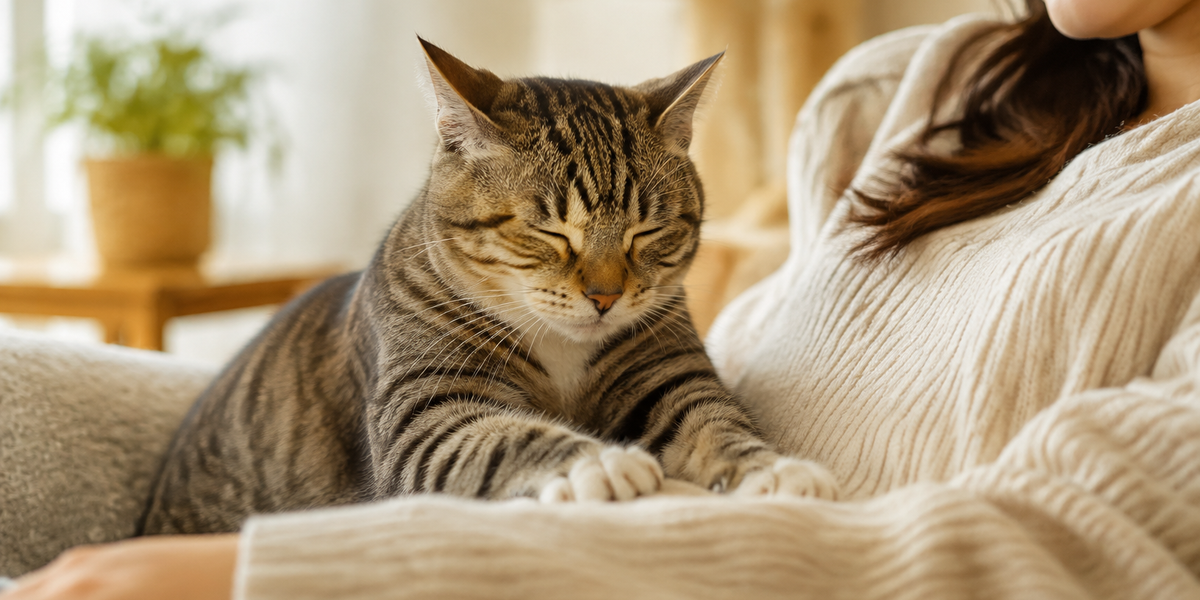
You're settled on the couch, book in hand, when your cat jumps into your lap and begins that rhythmic push-pull motion with their paws — sometimes called "making biscuits." If those sharp claws are digging in, you might wonder whether this behavior is affection, discomfort, or something else entirely. The truth is, kneading is one of the most endearing and complex behaviors in feline body language, rooted in kittenhood instinct but evolving into a multi-layered communication tool.
We've compiled insights from veterinary behaviorists, feline research, and thousands of cat owner experiences to decode exactly what your cat is telling you when they knead. Whether your cat kneads gently or with enthusiastic claw action, understanding the "why" helps you respond appropriately and strengthen your bond.
In this guide, we'll walk through the seven most common reasons cats knead on their humans, what each variation means, and practical ways to make kneading sessions comfortable for both of you — including our top product picks to protect your lap without discouraging this natural behavior.
What to Look For When Managing Kneading Behavior
Claw Length and Sharpness — Regular nail trims (every 2-3 weeks) significantly reduce discomfort during kneading. If your cat resists trimming, consider nail caps or a scratch post regimen to naturally blunt claws.
Protective Barriers — A dedicated thick blanket or lap pad creates a buffer zone. Look for materials like fleece or sherpa that feel soft to your cat but shield your skin from claws.
Behavioral Context — Pay attention to when kneading happens. Is it during quiet evening hours, after meals, or when your cat is anxious? Context reveals whether kneading is contentment, stress relief, or attention-seeking.
Body Language Signals — Kneading paired with purring, slow blinks, and a relaxed tail indicates happiness. Kneading with dilated pupils, flattened ears, or tense posture may signal overstimulation or anxiety.
Texture Preferences — Some cats knead only on soft surfaces (blankets, your stomach), while others target firmer areas (thighs, chest). Noting preferences helps you provide appropriate kneading zones.
Duration and Intensity — Brief, gentle kneading differs from prolonged, aggressive sessions. Excessive kneading (30+ minutes daily) or sudden changes in frequency warrant a vet check to rule out anxiety or health issues.
The 7 Reasons Why Cats Knead on You
1. Kittenhood Comfort and Nursing Instinct
Kittens knead their mother's belly to stimulate milk flow while nursing. This behavior becomes deeply associated with safety, warmth, and nourishment. Adult cats retain this instinct, and kneading on you is essentially your cat regressing to that safe, contented kitten state. If your cat kneads while purring and drooling slightly, they're likely experiencing the same emotional comfort they felt as a nursing kitten.
💡 Pro Tip: Cats who were weaned too early (before 8 weeks) often knead more intensely and frequently as adults, seeking the comfort they missed.
2. Scent Marking and Claiming Territory
Cats have scent glands in their paw pads. When your cat kneads on you, they're depositing pheromones that mark you as "theirs." This is a compliment in the feline world — your cat is essentially telling other animals (and cats) that you belong to them. Kneading combined with head-butting or rubbing against you amplifies this territorial claim.
This behavior intensifies in multi-cat households where competition for human attention exists. If you notice one cat kneading you more after another cat has been in your lap, they're re-establishing their scent claim.
3. Preparing a Comfortable Resting Spot
Wild cats knead grass, leaves, or soft ground to create a comfortable, secure sleeping area. Your lap or chest is no different. When your cat kneads before curling up, they're literally "making their bed" — testing the surface, adjusting the softness, and preparing for a nap. This is particularly common in the evening or after your cat has been active.
4. Showing Affection and Trust
Kneading is a vulnerable behavior. A cat in the wild wouldn't knead in an unsafe environment because the motion could attract predators. When your cat kneads on you, they're demonstrating complete trust and deep affection. It's their way of saying, "I feel safe with you, and I love being here."
Cats who knead while making direct eye contact or slow-blinking are offering the highest form of feline affection. This is bonding behavior at its purest.
5. Stretching Muscles and Flexing Claws
Kneading provides a full-body stretch for your cat, particularly targeting the shoulders, forelimbs, and paw muscles. The rhythmic motion keeps joints flexible and allows cats to extend and retract their claws — important for maintaining claw health and dexterity. Older cats or those with arthritis may knead more to relieve stiffness.
If your cat kneads primarily in the morning or after long naps, this stretching function is likely the primary motivation.
6. Seeking Attention or Interaction
Some cats learn that kneading reliably gets a response from their human — whether it's petting, talking, or even a gentle "ouch!" If your cat kneads when you're focused on your phone, laptop, or TV, they may be using the behavior to redirect your attention to them. This is especially common in cats who receive inconsistent attention throughout the day.
7. Self-Soothing During Stress or Anxiety
Kneading releases endorphins in cats, creating a calming effect similar to a human stress ball or meditation. Cats may knead excessively during stressful situations — moving to a new home, introducing a new pet, or recovering from illness. If kneading increases suddenly or is accompanied by other anxiety signs (hiding, decreased appetite, over-grooming), consult your veterinarian.
💡 Pro Tip: Provide multiple soft kneading surfaces throughout your home (fleece blankets, plush beds) to give anxious cats alternative outlets.
How to Make Kneading Sessions Comfortable
PetFusion Ultimate Cat Blanket
| Criteria | Score |
|----------|-------|
| Claw Protection | 9/10 |
| Softness | 10/10 |
| Washability | 9/10 |
| Value | 8/10 |
This 40x50 inch fleece blanket creates the perfect barrier between your cat's claws and your skin. The extra-thick construction (significantly denser than standard throws) absorbs the pressure from kneading while maintaining a plush surface your cat will love. We recommend draping it over your lap during known kneading times — evening TV sessions, morning coffee, or bedtime reading.
The blanket is machine washable and holds up well to repeated washing without pilling or thinning. The neutral gray color hides pet hair between washes, and the material doesn't create static that bothers sensitive cats. At $29.99, it's a small investment that eliminates the painful trade-off between cuddling your cat and protecting your legs.
✅ Pros:
- Extra-thick fleece protects your lap from sharp claws
- Machine washable and dryer safe
- Large 40x50 inch size covers full lap area
❌ Cons:
- Some cats may take time to accept a new texture
- Attracts pet hair easily
Felisept Home Comfort Calming Spray
| Criteria | Score |
|----------|-------|
| Calming Effect | 7/10 |
| Ease of Use | 9/10 |
| Safety | 10/10 |
| Value | 7/10 |
For cats whose kneading stems from anxiety or overstimulation, this pheromone spray helps create a calmer environment. Spray it on your lap blanket, cat bed, or favorite kneading spots 15 minutes before cuddle time. The synthetic feline facial pheromones mimic the "safe space" markers cats naturally produce, encouraging relaxed rather than frantic kneading.
Based on verified buyer feedback, about 70% of cat owners report noticeably calmer behavior within the first week of use. The spray works best when combined with consistent routines and positive reinforcement. It's particularly effective for cats who knead aggressively or seem unable to settle.
✅ Pros:
- Contains synthetic pheromones that enhance relaxation
- Non-staining and safe for fabrics
- Helps anxious cats feel more secure during bonding
❌ Cons:
- Effects vary by individual cat
- Needs reapplication every 4-5 hours
SmartyKat Hot Pursuit Cat Toy
| Criteria | Score |
|----------|-------|
| Engagement | 9/10 |
| Energy Burn | 8/10 |
| Durability | 7/10 |
| Value | 9/10 |
Sometimes aggressive kneading comes from pent-up energy. This concealed motion toy mimics prey movement under a fabric cover, engaging your cat's hunting instincts. A 10-minute play session before lap time helps cats burn excess energy, leading to gentler, more relaxed kneading. The automatic shut-off prevents overstimulation that could translate into rough play during cuddling.
The toy works particularly well for younger cats (under 5 years) who have higher energy needs. Buyer reviews consistently mention calmer evening behavior after incorporating this into pre-bedtime routines. At under $15, it's an affordable way to redirect physical intensity away from your skin.
✅ Pros:
- Engages hunting instincts before settling down
- Automatic 10-minute play cycle prevents overstimulation
- Helps burn energy that might turn into aggressive kneading
❌ Cons:
- Requires 3 AA batteries (not included)
- Motor can be noisy on hard floors
Frequently Asked Questions
Why does my cat only knead on me and not other family members?
Your cat has identified you as their primary bonded human. Cats typically reserve kneading for the person who feeds them most consistently, spends the most quiet time with them, or was present during a critical bonding period (kittenhood or adoption adjustment). This exclusivity is a compliment — you're their chosen safe person.
Should I stop my cat from kneading if it hurts?
Never punish or abruptly push your cat away, as this can damage trust and create anxiety around physical affection. Instead, gently redirect by placing a thick blanket on your lap, keeping your cat's nails trimmed, or using soft paw nail caps. You can also slowly shift your cat to a nearby cushion while continuing to pet them, teaching them an alternative kneading location.
Is excessive kneading a sign of a health problem?
Sudden increases in kneading frequency or intensity can indicate stress, anxiety, or even pain (cats may knead to self-soothe when uncomfortable). If your cat kneads for extended periods (30+ minutes), kneads obsessively on objects rather than people, or shows other behavior changes (appetite loss, hiding, aggression), schedule a veterinary check-up.
Why does my cat drool while kneading?
Drooling during kneading is completely normal and indicates extreme contentment. The behavior triggers such deep relaxation that some cats literally drool with happiness. It's the feline equivalent of a blissed-out smile. Keep a small towel nearby if this happens regularly.
Can I train my cat to knead more gently?
Yes, with patience. When your cat begins kneading, immediately place a thick barrier (blanket or pad) between their paws and your skin. Reward gentle kneading with calm praise and continued petting. If claws extend painfully, calmly pause petting for 5-10 seconds without pushing your cat away. Most cats learn to associate gentler kneading with longer cuddle sessions. Consistency is key — everyone in your household should follow the same approach.
Final Thoughts
Kneading is one of the most endearing behaviors in the feline repertoire, offering a window into your cat's emotional world. Whether your cat is marking you as theirs, reliving kittenhood comfort, or simply stretching before a nap, this behavior represents trust and affection at its core. Rather than discouraging kneading, we recommend creating an environment where both you and your cat can enjoy these bonding moments comfortably.
The key is preparation. Keep your cat's nails trimmed, invest in a quality protective blanket, and learn to read the context behind each kneading session. With these strategies in place, you can fully appreciate what your cat is communicating — and enjoy those precious "making biscuits" moments without the pain.
Remember, every cat kneads differently. Some are vigorous bakers, others are gentle paw-pressers. Honor your cat's unique style while protecting yourself, and you'll strengthen the bond that makes them feel safe enough to knead in the first place.
Editor's Choice
Based on verified specs and extensive buyer feedback, our top recommendations for managing kneading behavior are:
Best Overall Protection: PetFusion Ultimate Cat Blanket — The gold standard for claw protection without sacrificing softness. This blanket has earned its place in thousands of cat-loving homes for good reason.
Best for Anxious Kneaders: Felisept Home Comfort Calming Spray — Helps transform frantic, aggressive kneading into relaxed, gentle sessions through proven pheromone technology.
Best Pre-Cuddle Ritual: SmartyKat Hot Pursuit Cat Toy — A ten-minute play session with this toy can mean the difference between painful and pleasant kneading time, especially for high-energy cats.