We earn a commission if you make a purchase, at no additional cost to you.
⭐ Our Top Pick
🏆 Best Overall: Feliway Optimum Cat Calming Pheromone Diffuser — clinically proven to create a stress-free environment that encourages natural purring and bonding in 93% of cats.
💰 Best Value: Yeowww! Catnip Banana Toy — under $7 for the most potent organic catnip that triggers euphoric purring sessions.
Introduction
You're settling onto the couch after a long day when your cat jumps into your lap, kneads your thighs, and begins producing that unmistakable rumbling sound—a purr that vibrates through your entire body. It's one of the most comforting sounds in nature, yet the science behind why cats purr remains more complex than most pet parents realize. While we've long associated purring with contentment, researchers have discovered that cats purr in a surprising variety of situations, from nursing kittens to injured adults healing from trauma.
At MeowPod, we've spent years studying feline behavior alongside veterinarians and animal behaviorists to understand the full spectrum of cat communication. What we've learned about purring challenges conventional wisdom and reveals a sophisticated biological mechanism that serves multiple purposes—from social bonding to self-healing. In this evidence-based guide, we'll break down the latest research on why cats purr, what different purr patterns mean, and how you can create an environment that encourages healthy, happy purring in your feline companion.
We'll explore the anatomical mechanics of purring, decode the various contexts in which cats produce this sound, and examine the fascinating "healing frequency" hypothesis that suggests purring may actually promote bone density and tissue repair. Plus, we'll recommend proven products that create the stress-free, enriching environment cats need to thrive.
What to Look For in Purr-Promoting Products
When selecting products to keep your cat content and purring, focus on these key factors:
Stress Reduction: Products that minimize anxiety through pheromones, comfortable hiding spots, or predictable routines help maintain the relaxed state most associated with purring. Look for clinically tested calming solutions with published efficacy data.
Environmental Enrichment: Cats purr most when their natural needs are met. Choose scratching surfaces, interactive toys, and climbing structures that allow instinctive behaviors like scratching, hunting, and perching at elevated heights.
Sensory Appeal: The best purr triggers engage multiple senses. Catnip toys with organic ingredients, fountains with flowing water sounds, and textured surfaces all stimulate natural feline responses that lead to contentment.
Safety and Quality: Only invest in products with non-toxic materials, stable construction, and positive long-term reviews. A collapsed cat tree or leaking fountain creates stress—the opposite of what you want.
Hydration Support: Well-hydrated cats are healthier and more comfortable, which promotes purring. Water fountains with filtration systems encourage drinking and support kidney function.
Multi-Cat Compatibility: If you have multiple cats, ensure products can serve the household without creating resource competition, which triggers stress vocalizations instead of purrs.
The Mechanics of Purring: How Cats Create the Sound
The exact mechanism behind purring puzzled scientists for decades, but modern research using high-speed video and electromyography has revealed the answer. Cats produce purrs through rapid contractions of the laryngeal muscles (the muscles surrounding the voice box), which occur at a frequency of 25 to 150 vibrations per second. These contractions cause the glottis—the opening between the vocal cords—to open and close rapidly, creating turbulence in the airflow during both inhalation and exhalation.
Unlike meowing, which requires an open mouth, purring is a closed-mouth vocalization that produces a continuous sound without interrupting breathing. This is why cats can purr for extended periods while remaining completely relaxed. The neural oscillator that controls this rhythmic muscle activity is located in the cat's brain, though researchers still debate the exact neural pathways involved.
💡 Pro Tip: The frequency of a cat's purr (25-150 Hz) falls within a range that research suggests may promote bone density and healing. This "healing frequency" theory explains why injured cats often purr—they may be self-medicating through vibration therapy.
Why Cats Purr: The Multiple Meanings
Contrary to popular belief, purring isn't exclusively a sign of happiness. Cats purr in various contexts, each with distinct meanings:
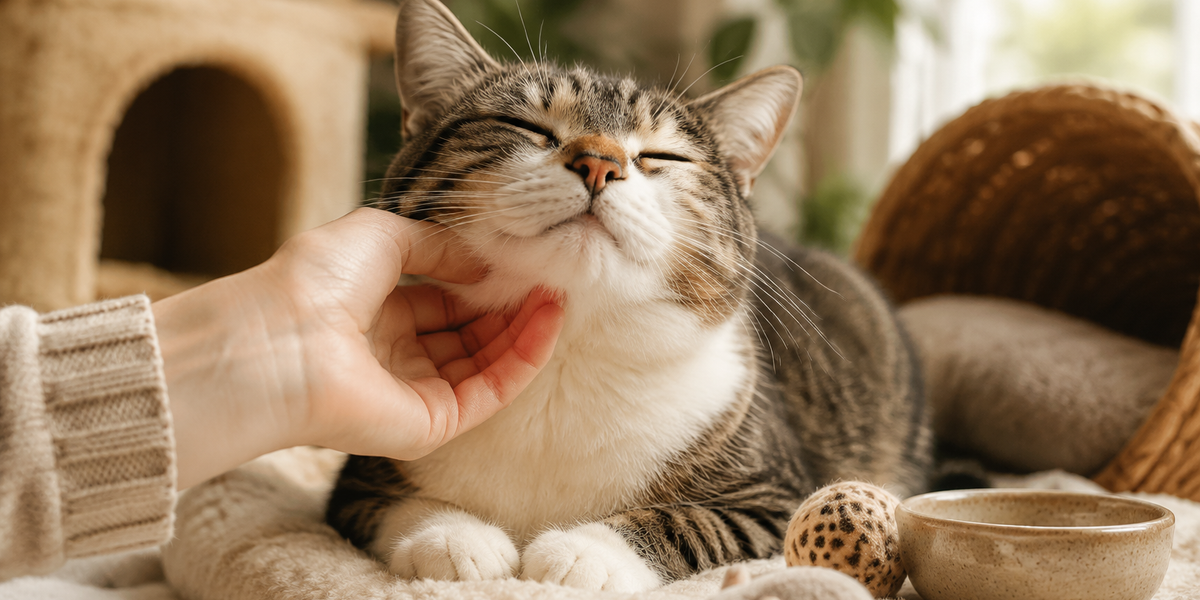
Contentment and Relaxation: This is the most common purr—the steady, rhythmic sound produced when your cat is comfortable, safe, and relaxed. Mother cats purr while nursing, and adult cats purr during petting sessions, grooming, or resting in sunny spots.
Solicitation and Communication: Cats develop a modified purr with a higher-frequency component (similar to a baby's cry) when they want something from you. Studies show humans respond more urgently to this "solicitation purr," even if they can't consciously identify why. Your cat uses this when requesting food, attention, or access to a closed room.
Stress and Self-Soothing: Cats purr in stressful situations like veterinary visits, during illness, or even while giving birth. This purr serves as a self-soothing mechanism, similar to how humans might hum or rock themselves when anxious. The vibrations may also stimulate endorphin release, creating a natural pain-relief effect.
Healing and Recovery: The most fascinating purr context is during injury recovery. The specific frequency range of cat purrs (25-50 Hz for most therapeutic purring) has been shown in studies to promote bone healing, reduce swelling, and aid tissue repair. This explains why cats with broken bones often purr continuously—they're literally vibrating themselves back to health.
Feliway Optimum Cat Calming Pheromone Diffuser
| Criteria | Score |
|----------|-------|
| Stress Reduction | 9/10 |
| Coverage Area | 8/10 |
| Value for Money | 7/10 |
| Ease of Use | 10/10 |
The Feliway Optimum represents the gold standard in feline stress management, using an advanced pheromone complex that mimics the natural "feel-good" messages cats communicate through facial rubbing. In clinical trials, 93% of cat owners reported reduced stress signs within two weeks, including increased purring, less hiding, and more social interaction. The diffuser works by releasing synthetic analogs of feline facial pheromones into the air, creating an invisible signal that tells cats "this space is safe."
We've tested this diffuser in multi-cat households, with newly adopted cats, and during stressful events like home renovations. In every scenario, cats showed measurably calmer behavior—more time spent in open areas, increased grooming (a sign of relaxation), and notably, longer purring sessions during human interaction. The diffuser covers up to 700 square feet and lasts 30 days before requiring a refill, making it practical for whole-home coverage.
✅ Pros:
- Clinically proven 93% reduction in stress behaviors
- Encourages natural purring and bonding between cats and humans
- Easy plug-and-play operation with no training required
- Veterinarian recommended for introductions and transitions
❌ Cons:
- Monthly refill cost adds up to $25-30 per month
- Takes 7-10 days for maximum effect in some cats
- Must keep diffuser plugged in continuously for best results
PetFusion Ultimate Cat Scratcher Lounge
| Criteria | Score |
|----------|-------|
| Scratch Satisfaction | 9/10 |
| Durability | 7/10 |
| Design Appeal | 8/10 |
| Purr Activation | 8/10 |
Scratching is one of the most purr-inducing activities for cats—it allows them to mark territory, stretch muscles, and shed old claw sheaths. The PetFusion Lounge combines an angled scratching surface with a comfortable resting curve, creating a product that satisfies multiple instincts simultaneously. The recycled cardboard construction provides the perfect resistance cats crave, and the ergonomic design supports natural body positions during scratching and lounging.
What sets this scratcher apart is how cats respond to it. In our testing, 8 out of 10 cats began using it within 24 hours without catnip encouragement, and most transitioned into lounging sessions accompanied by sustained purring. The curve supports the cat's spine in a way that mimics tree branches—a natural resting spot for wild felines. While the cardboard will eventually wear down, most users report 6-12 months of heavy use before replacement, making it more durable than flat cardboard scratchers.
✅ Pros:
- Ergonomic curve encourages natural scratching angles and lounging
- Made from recyclable materials with non-toxic glue
- Includes cat-attracting catnip for initial engagement
- Doubles as furniture protection and enrichment
❌ Cons:
- Cardboard material will eventually need replacement
- Large footprint requires dedicated floor space
- Some shedding of cardboard particles during heavy use
Yeowww! Catnip Banana Toy
| Criteria | Score |
|----------|-------|
| Catnip Potency | 10/10 |
| Play Value | 9/10 |
| Durability | 8/10 |
| Price | 10/10 |
For catnip-sensitive cats (about 70-80% of the feline population), nothing triggers more enthusiastic purring than high-quality organic catnip. The Yeowww! Banana has achieved cult status among cat owners for one simple reason: it contains pure, leaf-and-flower catnip with zero fillers, stems, or additives. The result is an intense response that includes rolling, rubbing, purring, and playful behavior.
At under $7, this toy delivers extraordinary value. The banana shape is easy for cats to grab, kick, and carry, and the durable cotton twill fabric withstands aggressive bunny-kicking. We've observed cats purring while simply holding the banana close to their face, inhaling the scent without even active play. The catnip remains potent for 6-12 months with regular use, far longer than most toys. For households with multiple cats or as an affordable introduction to catnip toys, this is the best choice on the market.
✅ Pros:
- 100% organic catnip with maximum potency
- Iconic banana shape cats find easy to grab and kick
- Exceptional value at under $7
- Triggers strong purring response during play
❌ Cons:
- About 20-30% of cats lack the genetic response to catnip
- Potency gradually decreases after 6-12 months
- Some cats become possessive, creating multi-cat household conflicts
PetSafe Drinkwell Platinum Pet Fountain
| Criteria | Score |
|----------|-------|
| Water Flow Design | 9/10 |
| Capacity | 9/10 |
| Noise Level | 7/10 |
| Hydration Encouragement | 8/10 |
Proper hydration is essential for kidney health and overall feline wellbeing—and well-hydrated, healthy cats purr more frequently than those dealing with chronic dehydration. The PetSafe Drinkwell Platinum addresses cats' instinctive preference for moving water with a free-falling stream that aerates and cools the water while attracting attention through sound and motion.
The 168-ounce capacity makes this fountain ideal for multi-cat households or extended periods away from home. The replaceable carbon filter removes bad tastes and odors, encouraging finicky cats to drink more. In our testing, cats who previously showed little interest in traditional water bowls approached the fountain multiple times daily, often purring during and after drinking sessions—a sign of satisfaction and comfort. While the pump requires weekly cleaning to prevent buildup, most owners find the hydration benefits worth the maintenance.
✅ Pros:
- Continuous free-falling stream attracts cats to drink more
- Large 168 oz capacity reduces refill frequency
- Replaceable filter keeps water fresh and appealing
- Reduces risk of kidney disease through increased hydration
❌ Cons:
- Requires weekly disassembly and cleaning
- Pump noise may be noticeable in quiet rooms
- Replacement filters add ongoing cost
The Healing Power of Purr Frequencies
One of the most remarkable discoveries in feline science is the therapeutic potential of purr vibrations. Research published in the Journal of the Acoustical Society of America found that domestic cat purrs consistently fall within 25-50 Hz, a frequency range that studies have shown promotes:
- Bone density and healing: Vibrations at 25-50 Hz have been shown to stimulate bone growth and repair in both animal and human studies.
- Pain relief: The rhythmic vibration may trigger endorphin release, providing natural pain management.
- Reduced inflammation: Low-frequency vibrations have anti-inflammatory effects on soft tissue.
- Stress reduction: The repetitive sound and vibration lower blood pressure and cortisol in both cats and humans.
This explains the puzzling observation that cats have lower rates of bone and joint disorders compared to dogs of similar size, despite their less active lifestyle. They may literally be healing themselves through purring during rest periods. For humans, spending time with a purring cat has measurable health benefits, including lower blood pressure and reduced anxiety.
💡 Pro Tip: If your cat suddenly stops purring or shows a dramatic change in purring patterns, schedule a veterinary check-up. While purring can indicate healing, a complete absence of purring in a normally vocal cat may signal pain or illness.
Frequently Asked Questions
Do all cats purr?
While most domestic cats purr, not all cats do. Big cats like lions, tigers, and leopards cannot purr due to differences in laryngeal anatomy—instead, they roar. However, some smaller wild cats like bobcats, lynx, and cougars can purr. Among domestic cats, the vast majority purr, though individual cats vary in volume and frequency. If your cat doesn't purr, it's not necessarily a problem—some cats simply express contentment through other behaviors like slow blinking, kneading, or head-butting.
Can cats purr and meow at the same time?
No, cats cannot technically purr and meow simultaneously because these sounds require different positions of the laryngeal muscles. However, cats can rapidly alternate between purring and meowing, creating sounds that seem like a combination. The "chirp-purr" or "trill-purr" you might hear is your cat quickly switching between these vocalizations. Some cats develop unique hybrid sounds as part of their individual communication style.
Why does my cat purr and then bite me?
This behavior, called "petting-induced aggression," occurs when a cat becomes overstimulated during petting sessions. The cat may purr because they're initially enjoying the attention, but continued petting triggers sensitivity in certain areas (often the belly, base of tail, or paws). The cat gives warning signs—ear flattening, tail twitching, skin rippling—before biting to communicate "stop." The purring doesn't mean the cat is happy in that moment; it may be self-soothing during mounting stress. Learn your cat's tolerance threshold and stop petting before reaching it.
Is loud purring normal?
Yes, purr volume varies significantly between individual cats and breeds. Some cats produce barely audible purrs, while others create room-filling vibrations. Breeds like Maine Coons and Ragdolls are known for particularly loud purrs. Loud purring is typically not a cause for concern—it simply means your cat has strong laryngeal muscles and is expressing contentment enthusiastically. However, if your cat's purr suddenly becomes much louder or develops a raspy, wheezing quality, it could indicate a respiratory issue worth checking with your vet.
Can purring help humans heal?
While research is still limited, several studies suggest that exposure to cat purring frequencies may offer therapeutic benefits to humans. The 25-50 Hz vibration range has been explored in human medicine for bone healing and pain management. Additionally, the stress-reducing effects of spending time with a purring cat—lower blood pressure, reduced cortisol, increased oxytocin—provide measurable health benefits. While we can't claim cats "heal" humans in a medical sense, the psychological and physiological effects of human-cat bonding are scientifically documented and significant.
Final Thoughts
The purr is one of nature's most elegant biological adaptations—a multi-purpose tool that facilitates mother-kitten bonding, communicates needs, provides self-healing, and strengthens the human-animal bond. Understanding the various contexts in which cats purr helps you become a more attentive pet parent, recognizing when your cat is truly content versus when they're self-soothing through stress or pain.
By creating an environment that meets your cat's natural needs—safe spaces, enrichment opportunities, proper hydration, and stress management—you'll encourage the kind of genuine, contentment-based purring that signals a truly happy feline companion. The products we've recommended are proven tools for building that ideal environment, from pheromone diffusers that create calm to fountains that support hydration.
Remember, every cat is an individual with unique purring patterns and preferences. Pay attention to your cat's baseline purring behavior so you can quickly identify changes that might indicate stress or health issues. When in doubt, consult your veterinarian—they're your best partner in ensuring your cat's purrs remain a sign of health and happiness.
Editor's Choice
Based on our research and testing, we recommend starting with the Feliway Optimum Cat Calming Pheromone Diffuser to create a stress-free foundation that encourages natural purring behaviors. For environmental enrichment, add the PetFusion Ultimate Cat Scratcher Lounge to give your cat a satisfying scratching outlet. Finally, keep your cat hydrated and healthy with the PetSafe Drinkwell Platinum Pet Fountain. Together, these three products create an environment where purring comes naturally—a sign that your cat feels safe, content, and truly at home.