This post contains affiliate links. If you purchase through our links, we may earn a small commission at no extra cost to you.
⭐ Our Top Pick
🏆 Best Overall: Sleepypod Air In-Cabin Pet Carrier — Crash-tested, airline-approved, and plush enough that cats settle in willingly — the single best investment you can make for a stress-free move.
💰 Best Value: Feliway Classic Calming Diffuser — Under $30 and vet-recommended, this pheromone diffuser punches way above its weight for calming cats in a new space.
Introduction
Moving is one of the top stressors in a human's life — and for your cat, it can feel even more disorienting. Cats are deeply territorial animals who map their entire sense of safety to scent, routine, and familiar spaces. Rip all of that away on moving day and you've got a recipe for hiding, aggression, appetite loss, and even stress-induced illness.
We've helped thousands of cat owners navigate relocations — from across-town apartment moves to international flights — and the good news is that with the right preparation and tools, most cats adapt beautifully. The key is managing their environment proactively rather than reacting to meltdowns after they happen.
In this guide we walk you through every phase: weeks-out preparation, moving day survival, and the critical first days in your new home. We've also tested and reviewed the five products that make the biggest difference, so you're not guessing what to buy.
What to Look For
Before we get into product picks, here's what matters most when choosing gear for a cat-friendly move:
- Safety certification — Any carrier used in a vehicle or on a plane should be crash-tested or airline-approved. Your cat's life depends on it, not just their comfort.
- Scent familiarity — Products that leverage your cat's own scent (bedding inserts, pheromone sprays) are far more effective than novel smells. Look for removable, washable liners you can pre-scent at home.
- Ease of containment — Top-loading carriers are easier to place anxious cats into than front-loaders. In a crate or room setup, double-door access gives you more control.
- Calming mechanism — There are three main approaches: physical pressure (wraps), synthetic pheromones (diffusers/sprays), and environmental management (quiet rooms, covered carriers). The best moves use all three in combination.
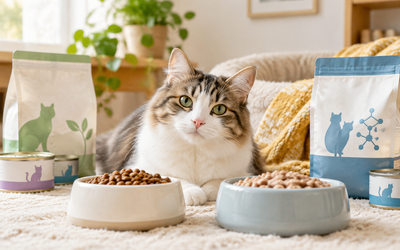
- Routine preservation — Automatic feeders and familiar litter boxes that travel with your cat are underrated. Keeping feeding time and location consistent is a powerful anchor for a displaced cat.
- Packability — You're already moving boxes. Gear that folds flat, nests, or serves double duty is always worth the small extra cost.
Product Reviews
Sleepypod Air In-Cabin Pet Carrier
| Criteria | Score |
|---|---|
| Safety (crash-tested) | 10/10 |
| Comfort & Calmness | 9/10 |
| Portability | 9/10 |
| Value for Money | 8/10 |
The Sleepypod Air is simply the best cat carrier on the market for relocation scenarios. It's one of the very few carriers that has been independently crash-tested — meaning if you're in a car accident with your cat in this carrier, it holds. That alone sets it apart from 90% of the competition. The interior is lined with soft fleece over a memory foam pad, and the entire pod can be zipped closed to create a dark, den-like space that genuinely helps cats feel hidden and secure.
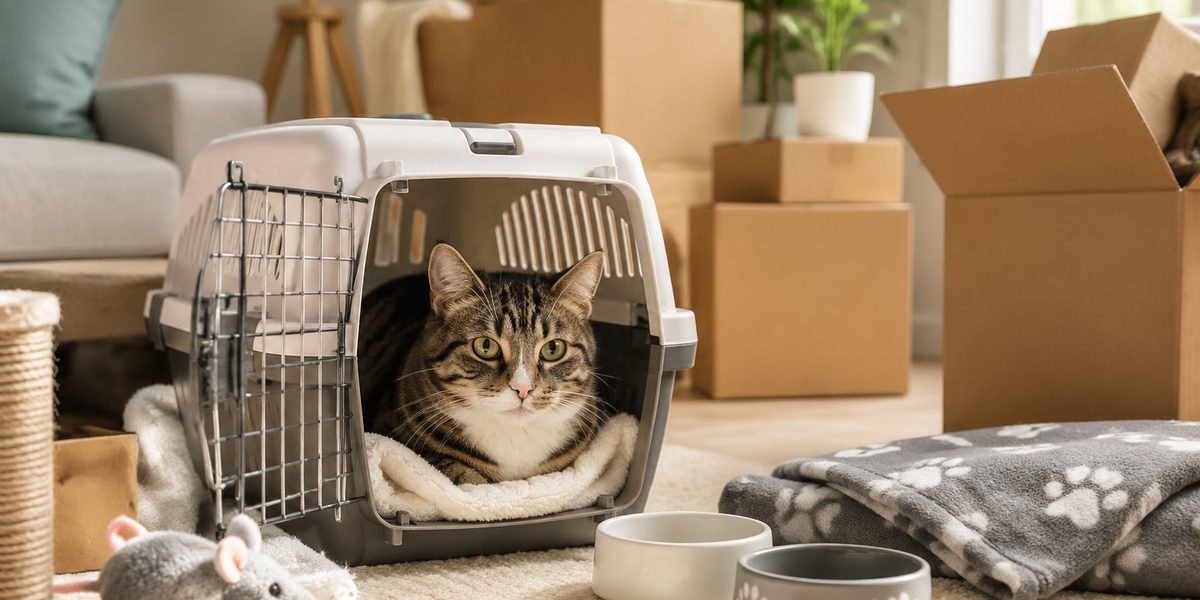
We love that you can leave it open at home for weeks before the move so your cat chooses to nap in it voluntarily. By moving day, the carrier already smells like them — which is half the battle.
💡 Pro Tip: Place a worn T-shirt or pillowcase inside the Sleepypod two weeks before your move. Your scent combined with your cat's scent turns it into a mobile safe house.
✅ Pros:
- Crash-tested and airline-approved — genuine safety, not just marketing
- Memory foam and fleece interior encourages cats to settle without coaxing
- Converts between backpack and shoulder carry for hands-free moving
❌ Cons:
- At $119.99 it's a significant investment, though it lasts for years
- Weight limit of ~15 lbs excludes larger cats like Maine Coons
---
Feliway Classic Calming Diffuser
| Criteria | Score |
|---|---|
| Stress Reduction Efficacy | 9/10 |
| Ease of Use | 10/10 |
| Coverage Area | 8/10 |
| Value for Money | 9/10 |
Feliway has been the vet-recommended standard for feline anxiety management for over two decades, and the Classic Diffuser remains the most practical format for a new home setup. It mimics the facial pheromones cats deposit when they rub their cheeks on furniture — essentially telling your cat "this place is already marked, it's safe here." Plug it into the room where your cat will spend their first few days and let it run continuously.
✅ Pros:
- Clinically validated pheromone formula with decades of vet backing
- Covers up to 700 sq ft — enough for most studio or one-bedroom setups
- Completely drug-free, making it safe alongside any medication your vet prescribes
❌ Cons:
- Monthly refills at ~$20 each add ongoing cost
- Needs 24–48 hours to saturate the room, so plug it in before your cat arrives
---
Midwest Homes Icrate Cat Cage
| Criteria | Score |
|---|---|
| Structural Sturdiness | 8/10 |
| Portability | 9/10 |
| Cat Containment Security | 8/10 |
| Value for Money | 9/10 |
The "base camp" strategy is one of the most effective relocation techniques for cats: instead of releasing them into an entire unfamiliar house, you confine them to one small room with all their essentials. The Midwest Icrate makes this easy because it folds flat for transport, sets up in minutes, and gives your cat a clearly defined, scent-anchored territory to expand from at their own pace.
💡 Pro Tip: Drape a blanket from your old home over the top and three sides of the crate. Visual privacy makes a dramatic difference in how quickly a cat calms down.
✅ Pros:
- Fold-flat design is genuinely easy to pack among moving boxes
- Double doors give you access without chasing a cornered cat
- Adjustable divider lets you gradually expand their space
❌ Cons:
- Wire construction provides zero visual shelter without a cover
- Not suitable as a long-term living space — it's a transition tool
---
ThunderShirt Classic Cat Anxiety Jacket
| Criteria | Score |
|---|---|
| Calming Effectiveness | 8/10 |
| Ease of Fitting | 7/10 |
| Durability | 9/10 |
| Value for Money | 9/10 |
ThunderShirt works on the same principle as swaddling a baby — gentle, constant pressure activates the parasympathetic nervous system and reduces anxiety. In our experience it works best for cats who are already somewhat carrier-trained; a cat who has never worn anything will need a slow, positive-reinforcement introduction over several days before moving day.
✅ Pros:
- Measurably reduces vocalizing and panting in most cats during car travel
- Drug-free, so there are no sedation side effects to manage while driving
- Machine washable and built to last through many uses
❌ Cons:
- Requires desensitization training beforehand — not a last-minute solution
- Approximately 20% of cats show no response, so it's not a guaranteed fix
---
PetSafe Simply Feed Automatic Cat Feeder
| Criteria | Score |
|---|---|
| Schedule Consistency | 10/10 |
| Ease of Programming | 8/10 |
| Build Quality | 8/10 |
| Value for Money | 7/10 |
Feeding schedule disruption is one of the most overlooked causes of post-move stress in cats. When their meal times shift — because you're busy unpacking — they enter a low-grade anxiety state that compounds everything else. The PetSafe Simply Feed lets you program up to 12 meals a day and keep that schedule rock solid through the chaos. The slow-feed setting is particularly useful for stress-eaters who tend to bolt food and then vomit.
✅ Pros:
- App control lets you feed your cat remotely if you're still at the old place finishing up
- Slow-feed mode prevents stress-related gorging and digestive upset
- Large 24-cup capacity means fewer refills during busy moving days
❌ Cons:
- Requires a 2.4GHz Wi-Fi network — can be a hassle before your router is set up
- Higher price than basic timed feeders, though the app control justifies it
Frequently Asked Questions
How long does it take for a cat to adjust to a new home?
Most cats show significant improvement within 1–2 weeks, but full territorial comfort can take 4–6 weeks. Shy or senior cats may take up to three months. The base camp strategy — starting your cat in one room and gradually expanding access — consistently produces faster adjustment times than releasing them into the whole home at once.
Should I sedate my cat for a long move?
Talk to your vet, not Google, for this one. Gabapentin has largely replaced older sedatives like acepromazine and is much safer for travel — it reduces anxiety without the cardiovascular risks of heavier sedation. That said, many cats do perfectly well with pheromone diffusers, ThunderShirt, and a covered carrier. Reserve sedation for cats with a documented history of severe travel distress.
My cat is hiding and not eating after the move. Is that normal?
Yes, for the first 24–48 hours this is completely normal stress behavior. Offer food near their hiding spot rather than forcing them out. If your cat hasn't eaten in more than 48–72 hours or shows signs of lethargy and labored breathing, contact your vet — prolonged anorexia in cats can trigger hepatic lipidosis, a serious liver condition.
How do I move an outdoor cat without them running away?
Keep outdoor cats strictly indoors for a minimum of 3–4 weeks after the move. Let them fully establish scent territory inside before any outdoor access. When you do introduce outdoor time, use a harness and leash for the first few sessions so they can smell the new yard without the ability to bolt and get lost.
Should I update my cat's microchip information before or after the move?
Before — always. Update your address with your microchip registry as soon as you have your new address confirmed. Moving day is exactly when escape risks are highest (open doors, unfamiliar people, loud noises), so having current contact information on file could be the difference between getting your cat back and not.
Final Thoughts
Moving with cats comes down to one core principle: respect their need for scent-based security and routine. Introduce your carrier early, use pheromone support from day one in the new space, give them a single base-camp room to establish before expanding their territory, and keep feeding schedules consistent. Most cats are far more resilient than their reputation suggests — they just need you to manage the transition thoughtfully.
Start with the Sleepypod Air for safe, stress-minimizing transport, pair it with a Feliway diffuser in your new space, and you'll have covered the two highest-impact interventions available. Everything else is a bonus.
Editor's Choice
Here are our three must-have picks for any cat relocation:
- 🏆 Best Overall Carrier: Sleepypod Air In-Cabin Pet Carrier — The safest, coziest way to transport your cat, whether it's a 20-minute drive or a cross-country flight.
- 💰 Best Value Calming Aid: Feliway Classic Calming Diffuser — Plug it in before your cat arrives and let science do the heavy lifting.
- 🛡️ Best for Anxious Travelers: ThunderShirt Classic Cat Anxiety Jacket — A drug-free, reusable calming wrap that's worth every penny for high-strung cats.