MeowPod is reader-supported. When you buy through links on our site, we may earn an affiliate commission at no extra cost to you.
⭐ Our Top Pick
🏆 Best Overall: Petmate Two Door Top Load Cat Carrier — top-loading design makes vet visits dramatically less stressful for anxious cats.
💰 Best Value: Cat Health Record Book — affordable way to track your cat's complete medical history and never miss a scheduled visit.
Introduction
Your cat's healthcare needs change dramatically throughout their life. A rambunctious kitten requires monthly vet visits for vaccinations and growth monitoring, while a healthy adult cat typically needs just one annual wellness exam. Senior cats over age 7, however, need twice-yearly checkups to catch age-related diseases early.
We've compiled this comprehensive guide based on American Veterinary Medical Association (AVMA) guidelines, veterinary consensus recommendations, and the latest feline health research. Understanding the right schedule for your cat's age helps you catch health issues before they become serious—and saves money by preventing expensive emergency visits.
Whether you have a brand-new kitten, an adult cat, or a senior feline, you'll learn exactly when to schedule vet appointments, what happens during each visit, and the warning signs that require immediate veterinary attention regardless of your regular schedule.
What to Look For
Age-Appropriate Frequency — The biggest factor in determining vet visit frequency is your cat's life stage. Kittens under 6 months need the most frequent care for vaccinations and developmental monitoring. Healthy adult cats (1-7 years) typically need annual wellness exams. Senior cats (7+ years) benefit from twice-yearly visits to catch kidney disease, hyperthyroidism, and other age-related conditions early.
Vaccination Status — Indoor-only cats have different vaccination needs than outdoor cats. Core vaccines (rabies, FVRCP) have specific schedules, while lifestyle vaccines (FeLV, FIV) depend on exposure risk. Your vet will create a customized vaccine protocol based on your cat's environment and risk factors.
Health History — Cats with chronic conditions like diabetes, kidney disease, or asthma need more frequent monitoring than healthy cats. Some conditions require quarterly visits, while others need monthly bloodwork. Always follow your vet's recommendations for chronic disease management.
Behavioral Changes — Sudden changes in eating, drinking, litter box habits, or activity level warrant an immediate vet visit regardless of when your last checkup was. Cats instinctively hide illness, so any obvious behavioral change signals something potentially serious.
Preventive Care Budget — Regular wellness visits cost $50-200 depending on your location, but they're far cheaper than emergency treatment. One emergency vet visit for a blocked urinary tract can cost $3,000-5,000—often more than five years of preventive care.
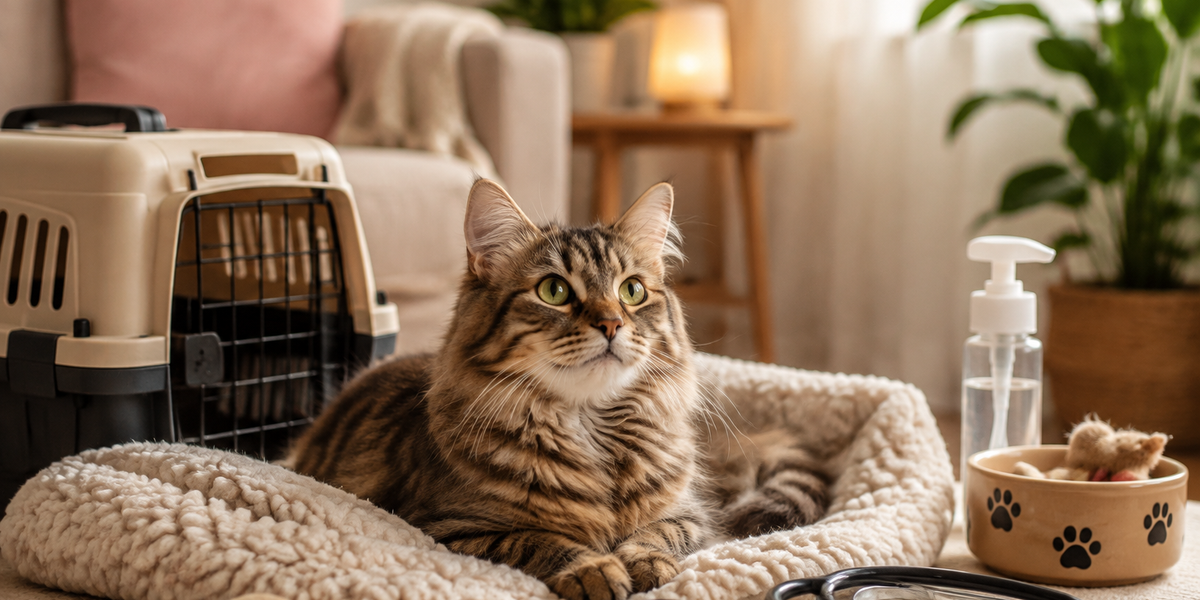
Quality Carrier and Transport Prep — Making vet visits less stressful increases the likelihood you'll maintain the recommended schedule. A good carrier, calming aids, and proper acclimation techniques turn dreaded vet days into manageable routine appointments.
Complete Age-Based Vet Visit Schedule
Kittens (Birth to 6 Months)
| Visit Timing | What Happens |
|--------------|-------------|
| 6-8 weeks | First FVRCP vaccine, fecal exam, physical |
| 10-12 weeks | Second FVRCP booster, FeLV test |
| 14-16 weeks | Final FVRCP booster, rabies vaccine |
| 4-6 months | Spay/neuter surgery, microchip |
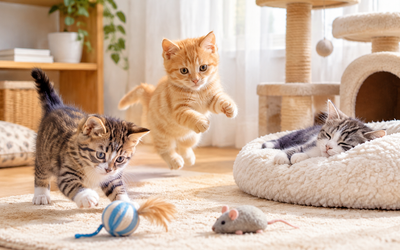
Kittens have the most intensive vet schedule because they need a series of vaccinations to build immunity. The FVRCP vaccine (feline viral rhinotracheitis, calicivirus, and panleukopenia) requires multiple doses spaced 3-4 weeks apart. Your vet will also check for parasites, congenital defects, and proper growth milestones.
During these early visits, your vet establishes baseline health data that becomes invaluable for detecting problems later. They'll also discuss nutrition, litter training, socialization, and when to schedule spay/neuter surgery.
💡 Pro Tip: Acclimate your kitten to their carrier early by leaving it open in your home with treats and toys inside. This prevents the carrier from becoming associated solely with vet visits.
Adult Cats (1-7 Years)
Healthy adult cats need one comprehensive wellness exam annually. This visit typically includes:
- Complete physical examination (teeth, ears, eyes, heart, lungs, abdomen)
- Weight check and body condition scoring
- Vaccine boosters (typically every 1-3 years depending on vaccine type)
- Fecal parasite screening (especially for outdoor cats)
- Bloodwork baseline (recommended around age 5)
Indoor-only cats may be able to extend rabies and FVRCP boosters to every three years after the initial series, but this depends on local laws and your vet's recommendation. Even if no vaccines are due, the annual physical exam remains critical for catching early signs of dental disease, obesity, or organ dysfunction.
💡 Pro Tip: Schedule annual vet visits around your cat's birthday or adoption anniversary so you never forget.
Senior Cats (7-11 Years)
Once your cat turns 7, increase vet visits to twice yearly. Senior wellness exams should include:
- Complete physical with extra attention to kidneys, thyroid, and heart
- Senior bloodwork panel (kidney function, liver enzymes, thyroid levels)
- Urinalysis to check for kidney disease and diabetes
- Blood pressure screening
- Weight and body condition assessment
Cats age roughly 4 human years for every calendar year after age 7. Six months between vet visits equals 2 human years—long enough for diseases like chronic kidney disease or hyperthyroidism to progress from undetectable to advanced. Catching these conditions early dramatically improves treatment outcomes and quality of life.
Geriatric Cats (12+ Years)
Cats over 12 need twice-yearly comprehensive exams at minimum. Many vets recommend quarterly visits for geriatric cats, especially those with chronic conditions. These visits focus on:
- Pain assessment (arthritis is extremely common but underdiagnosed)
- Cognitive function evaluation
- Comprehensive bloodwork and urinalysis
- Blood pressure monitoring
- Quality of life discussion
Geriatric cats often have multiple concurrent health issues requiring careful management. Regular monitoring allows your vet to adjust medications, catch complications early, and maintain your cat's comfort and dignity.
Essential Products for Stress-Free Vet Visits
Petmate Two Door Top Load Cat Carrier
| Criteria | Score |
|----------|-------|
| Ease of Loading | 9/10 |
| Cat Comfort | 8/10 |
| Durability | 9/10 |
| Value | 8/10 |
The Petmate Two Door Top Load carrier transforms vet visits for anxious cats. The top-loading door lets you gently lower your cat into the carrier instead of forcing them through the front door—a game-changer for cats who splay their legs and resist traditional carriers. The dual-door design also allows your vet to examine timid cats while they remain in the carrier bottom, reducing stress.
The hard-sided construction meets airline standards and provides better protection than soft carriers. Ventilation windows on three sides ensure good airflow, and the steel door latches are secure without being difficult to operate. At just under 5 pounds, it's light enough to carry comfortably but substantial enough to feel safe.
✅ Pros:
- Top-loading door dramatically reduces loading stress
- Two-door access gives vets flexibility during exams
- Airline-approved and built to last years
❌ Cons:
- Ventilation adequate but not exceptional for long trips
- Heavier than soft-sided alternatives
Feliway Classic Calming Spray
| Criteria | Score |
|----------|-------|
| Effectiveness | 8/10 |
| Ease of Use | 9/10 |
| Duration | 6/10 |
| Value | 7/10 |
Feliway Classic contains synthetic feline facial pheromones that signal safety and familiarity to cats. Spray it in your carrier 15 minutes before loading your cat, and the calming effect helps reduce anxiety during transport and at the vet clinic. Based on verified buyer reviews, about 70% of cat owners report noticeable calming effects, though results vary by individual cat.
The spray format gives you precise control over application compared to plug-in diffusers. It's particularly effective when combined with other stress-reduction techniques like carrier acclimation and calm handling. Veterinary behaviorists widely recommend Feliway as part of a comprehensive approach to vet visit anxiety.
✅ Pros:
- Clinically studied pheromone formula
- Reduces carrier and travel stress for most cats
- Vet-recommended brand with strong research backing
❌ Cons:
- Effects wear off after 2-3 hours, requiring reapplication
- Premium price point compared to generic calming sprays
Cat Health Record Book Organizer
| Criteria | Score |
|----------|-------|
| Organization | 9/10 |
| Completeness | 8/10 |
| Portability | 10/10 |
| Value | 10/10 |
This dedicated health record book keeps all your cat's medical information in one portable place. Sections for vaccination records, medication schedules, vet visit notes, and emergency contacts ensure you never forget important dates or details. The compact size fits in a purse or glove box, making it easy to bring to every vet appointment.
Tracking your cat's health history helps you spot patterns that might otherwise go unnoticed. When did that vomiting episode happen? What medications were tried last year? Having this information instantly available helps your vet make better decisions and saves time during appointments.
✅ Pros:
- Dedicated sections for all aspects of feline health
- Pocket-sized for easy transport to appointments
- Helps identify health patterns over time
❌ Cons:
- Paper format when many vets now use digital systems
- Limited space if you have multiple cats
Warning Signs That Need Immediate Vet Attention
Regardless of your regular schedule, certain symptoms require same-day or emergency vet care:
Urinary Issues — Straining to urinate, crying in the litter box, or producing no urine signals a potentially fatal urinary blockage. Male cats are especially vulnerable. This is always an emergency requiring immediate veterinary care.
Respiratory Distress — Open-mouth breathing, rapid breathing, or blue-tinged gums indicate serious respiratory or cardiac problems requiring emergency treatment.
Neurological Symptoms — Seizures, sudden loss of balance, head tilt, or inability to walk require immediate evaluation for stroke, poisoning, or other neurological emergencies.
Trauma — Falls from height, animal attacks, or vehicle strikes require veterinary assessment even if your cat seems fine initially. Internal injuries may not be immediately obvious.
Sudden Collapse or Weakness — Inability to stand, sudden paralysis (especially of rear legs), or collapse suggests serious conditions like blood clots, heart failure, or severe anemia.
Not Eating for 24+ Hours — Cats who stop eating can develop hepatic lipidosis (fatty liver disease) within 2-3 days. Any cat who hasn't eaten in 24 hours needs veterinary attention.
Severe Vomiting or Diarrhea — Multiple episodes within a few hours, especially with blood, lethargy, or signs of pain, can indicate poisoning, obstruction, or severe illness.
💡 Pro Tip: Keep your vet's phone number and the nearest 24-hour emergency clinic information saved in your phone and posted on your refrigerator.
Cost-Saving Strategies for Regular Vet Care
Maintaining the recommended vet schedule doesn't have to break your budget:
Pet Insurance — Comprehensive plans typically cost $30-50/month and cover unexpected illnesses and emergencies. Some plans include wellness coverage for routine exams and vaccines. Compare policies annually to ensure you have the best value.
Wellness Plans — Many veterinary clinics offer wellness plans that bundle routine care (exams, vaccines, bloodwork, dental cleanings) into affordable monthly payments. These often save 15-20% compared to paying for services individually.
Low-Cost Clinics — Community clinics, humane societies, and mobile vet services often provide basic wellness exams and vaccines at significantly reduced rates. While they may not offer comprehensive care, they're excellent for routine preventive services.
Preventive Care Pays Off — A $150 annual wellness exam can catch early kidney disease that costs $50/month to manage, versus $3,000+ for crisis hospitalization when the disease reaches emergency stage. Preventive care is almost always cheaper than emergency treatment.
Frequently Asked Questions
Can I Skip Annual Vet Visits If My Indoor Cat Seems Healthy?
No. Cats instinctively hide illness until problems become severe—an evolutionary survival trait. Many serious conditions like kidney disease, diabetes, and hyperthyroidism develop gradually without obvious symptoms until they're advanced. Annual wellness exams catch these problems early when treatment is most effective and least expensive. Even indoor-only cats need regular checkups, and senior cats need twice-yearly visits.
How Do I Get My Cat to the Vet If They Hate Their Carrier?
Start carrier training weeks before your appointment. Leave the carrier open in a comfortable area with the door removed, placing treats and favorite toys inside. Once your cat willingly enters, start closing the door briefly, then gradually extend the duration. Feed meals near or inside the carrier. On vet day, spray with Feliway 15 minutes before loading, use a calm voice, and consider covering the carrier with a towel to create a den-like feeling during transport.
What Should I Bring to My Cat's Vet Appointment?
Bring your cat's health records (vaccination history, medication list, previous test results), a fresh stool sample if requested, and a list of any questions or concerns. Note any recent changes in behavior, appetite, water intake, or litter box habits. If your cat takes medications, bring the bottles or a current list with dosages. For new patients, bring adoption paperwork or breeder health records.
Are Telemedicine Vet Visits an Adequate Substitute for In-Person Exams?
Telemedicine is excellent for follow-up consultations, medication management discussions, and behavioral questions, but cannot replace hands-on physical exams. Your vet needs to palpate your cat's abdomen, listen to their heart and lungs, check their teeth, and assess body condition—tasks impossible via video. Use telemedicine as a supplement to in-person care, not a replacement for annual wellness exams.
How Much Should I Budget Annually for Cat Vet Care?
For a healthy adult cat, budget $200-400 annually for wellness exams, vaccines, and preventive care. Senior cats requiring twice-yearly visits need $400-800. Add $300-600 for unexpected illnesses or minor emergencies. Cats with chronic conditions may need $1,000-3,000+ annually depending on the disease. Pet insurance ($360-600/year) or wellness plans can help manage these costs predictably.
Final Thoughts
Maintaining the appropriate vet visit schedule for your cat's age is the single most important thing you can do to ensure a long, healthy life. Kittens need frequent visits for vaccinations and monitoring, healthy adults need annual checkups, and senior cats benefit dramatically from twice-yearly exams that catch age-related diseases early.
Don't wait for obvious symptoms to schedule a vet visit. By the time most cats show clear signs of illness, diseases have often progressed to moderate or severe stages. Regular wellness exams catch problems when treatment is most effective and least expensive. The investment in preventive care pays dividends in both your cat's quality of life and your wallet.
Editor's Choice
Based on veterinary guidelines and the practical needs of cat owners, we recommend the Petmate Two Door Top Load Cat Carrier as the best overall product for stress-free vet visits. The top-loading design makes a real difference for anxious cats, and the durable construction ensures it will last through years of regular vet appointments.
Pair it with Feliway Classic Spray to further reduce travel anxiety, especially if your cat has had negative vet experiences in the past. For budget-conscious cat parents, the Cat Health Record Book helps you stay organized and never miss a scheduled wellness visit—an affordable tool that supports your cat's long-term health.