Disclosure: This article contains affiliate links. If you make a purchase through these links, we may earn a commission at no additional cost to you.
⭐ Our Top Pick
🏆 Best Overall: PetSafe Drinkwell Platinum Pet Fountain — Large capacity and visible water level make it easier to track your cat's drinking patterns while encouraging healthy hydration.
💰 Best Value: Catit Flower Fountain — Affordable fountain with clear capacity markings that help you monitor water consumption daily.
Introduction
You've noticed your cat making more trips to the water bowl than usual, or perhaps the fountain needs refilling twice as often. While increased water consumption might seem harmless at first, it's one of the most important early warning signs of serious feline health conditions. Veterinarians call this polydipsia, and it often appears alongside polyuria (excessive urination) as a red flag for diseases like diabetes mellitus, chronic kidney disease, and hyperthyroidism.
We've compiled insights from veterinary research, clinical guidelines, and cat owner experiences to help you recognize when increased thirst crosses from normal variation into medical territory. Understanding what's driving your cat's behavior can mean the difference between early intervention and advanced disease progression.
This guide covers six critical warning signs that accompany excessive water drinking, the underlying health conditions to investigate, and exactly when to schedule that veterinary appointment. If you're also managing dietary considerations for an aging cat, our guide on best cat food for senior cats with kidney disease provides complementary nutritional strategies.
What to Look For
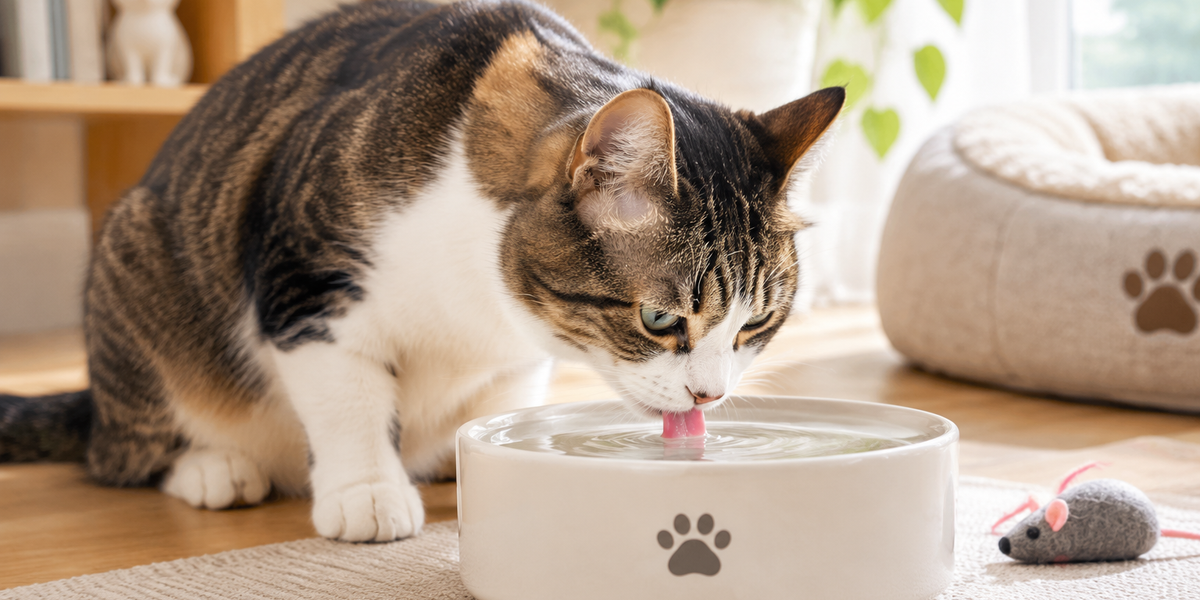
Normal vs. Excessive Water Intake: Healthy cats typically drink 3.5–4.5 ounces of water per 5 pounds of body weight daily. A 10-pound cat should consume roughly 7–9 ounces. If your cat is drinking significantly more than this baseline or you're refilling the bowl multiple times daily, that's worth investigating.
Observable Behavior Changes: Look beyond the water bowl itself. Is your cat lingering near faucets, pawing at dripping taps, or drinking from unusual sources like toilets or plant saucers? These behavior shifts often accompany medical causes of polydipsia.
Litter Box Clues: Increased water intake almost always means increased urination. Watch for larger clumps in the litter box, more frequent scooping needs, or accidents outside the box (which may indicate your cat can't reach the litter box in time).
Physical Condition Assessment: Check your cat's body condition, coat quality, and energy level. Weight loss despite normal or increased appetite, dull or unkempt fur, and lethargy often accompany the diseases that cause excessive thirst.
Age and Risk Factors: Cats over 7 years old face higher risk for kidney disease, diabetes, and hyperthyroidism—the three most common causes of polydipsia. However, younger cats aren't immune; urinary tract infections and other conditions can affect any age group.
Timing and Pattern: Note when the increased drinking started and whether it appeared suddenly or gradually. Abrupt changes over days suggest acute conditions like infections, while gradual increases over weeks to months point toward chronic diseases.
💡 Pro Tip: Use a measuring cup to quantify your cat's daily water intake for 3–4 days. Bring this data to your vet appointment—it's far more useful than subjective descriptions like "seems to drink a lot."
6 Critical Warning Signs Beyond Increased Thirst
1. Increased Urination (Polyuria)
Polydipsia rarely occurs in isolation. When cats drink more water, their kidneys produce more urine. You'll notice the litter box needs scooping more frequently, with larger, wetter clumps. Some cats begin having accidents because their bladder fills faster than they can manage. This combination—polydipsia and polyuria, often abbreviated as PU/PD—is the hallmark of several serious conditions.
Watch for urination outside the box, especially if your cat has always been reliable. This isn't behavioral defiance; it's often a physical inability to hold urine as the bladder fills rapidly. Cats with kidney disease or diabetes may need to urinate multiple times per hour.
2. Unexplained Weight Loss
When your cat is drinking more water but simultaneously losing weight, diabetes mellitus moves to the top of the differential diagnosis list. Diabetic cats can't properly utilize glucose for energy, so their bodies break down fat and muscle tissue instead—leading to weight loss even with normal or increased appetite.
Weigh your cat weekly if you notice increased thirst. A loss of more than 10% of body weight (e.g., a 10-pound cat dropping to 9 pounds) within a month warrants immediate veterinary attention. Chronic kidney disease also causes gradual weight loss as the body struggles to maintain proper nutrition.
3. Decreased Appetite or Vomiting
As kidney disease progresses, toxins that should be filtered out accumulate in the bloodstream, causing nausea, decreased appetite, and vomiting. Cats may approach the food bowl but eat only a few bites, or they may skip meals entirely. You might also notice occasional vomiting, particularly in the morning when the stomach is empty.
Hyperthyroidism presents differently: affected cats often have increased appetite but still lose weight because their metabolism is running in overdrive. If your cat is simultaneously drinking more water and showing any appetite changes—whether decreased or paradoxically increased—schedule a veterinary exam.
4. Lethargy and Weakness
Healthy cats spend significant time sleeping, but medical conditions causing excessive thirst often bring noticeable lethargy. Your cat may sleep more than usual, show less interest in play, or struggle with activities that were previously easy (like jumping onto counters or climbing cat trees).
Diabetic cats can develop diabetic ketoacidosis, a life-threatening complication that causes profound weakness and collapse. Kidney disease leads to anemia and electrolyte imbalances that sap energy. Hyperthyroid cats may seem restless rather than lethargic, but they tire easily after brief bursts of activity.
5. Poor Coat Condition
A cat's coat reflects their overall health status. Diseases that cause excessive thirst often leave cats feeling too unwell to groom properly, resulting in a dull, greasy, or matted coat. You might notice dandruff, a greasy texture near the tail base, or mats forming in areas your cat usually keeps pristine.
Kidney disease, diabetes, and hyperthyroidism all interfere with normal grooming behavior and skin oil production. If your cat's formerly glossy coat looks unkempt and they're drinking more water, don't attribute it to aging or laziness—investigate the underlying cause.
6. Bad Breath (Halitosis)
Kidney disease causes uremic breath—a distinctive ammonia or chemical smell—as toxins build up in the bloodstream. Diabetes can produce a sweet, fruity breath odor from ketones. Both are unmistakable once you know what to notice and both indicate advanced disease requiring immediate veterinary care.
Dental disease can also cause bad breath, but it presents differently (typically a rotten or infected smell) and doesn't usually cause increased water consumption. If bad breath accompanies polydipsia, systemic disease is the more likely culprit.
Common Medical Causes of Excessive Thirst
Chronic Kidney Disease (CKD)
Chronic kidney disease affects an estimated 30–40% of cats over 10 years old, making it one of the most common causes of polydipsia in senior cats. As kidney function deteriorates, the organs lose their ability to concentrate urine efficiently, so cats must drink more water to compensate for the increased urine output.
Early-stage CKD often presents with no symptoms beyond increased thirst and urination. As the disease progresses, cats develop weight loss, poor appetite, vomiting, and lethargy. Blood work reveals elevated kidney values (creatinine and BUN), while urinalysis shows dilute urine with low specific gravity.
Diabetes Mellitus
Feline diabetes occurs when the pancreas doesn't produce enough insulin or the body becomes resistant to insulin's effects. Without adequate insulin, glucose accumulates in the bloodstream instead of entering cells for energy. When blood glucose exceeds the kidney threshold, it spills into urine, pulling water with it through osmotic diuresis—resulting in excessive urination and compensatory thirst.
Untreated diabetic cats drink copious amounts of water, urinate frequently, lose weight despite increased appetite, and may develop secondary complications like urinary tract infections or diabetic ketoacidosis. Diagnosis requires blood work showing elevated glucose and urinalysis revealing glucose in the urine.
Hyperthyroidism
Hyperthyroidism results from benign thyroid tumors that produce excessive thyroid hormone, ramping up the body's metabolic rate. Affected cats often show increased appetite, weight loss, hyperactivity or restlessness, increased vocalization, and—yes—increased water consumption and urination.
This condition primarily affects cats over 8 years old and is diagnosed through blood work measuring thyroid hormone (T4) levels. Treatment options include medication, radioactive iodine therapy, surgical thyroid removal, or prescription low-iodine diets.
Other Possible Causes
Urinary Tract Infection (UTI): While less common in cats than dogs, UTIs can cause increased drinking as cats attempt to flush out bacteria. Look for straining to urinate, bloody urine, or crying in the litter box.
Liver Disease: Hepatic conditions can alter thirst regulation and cause polydipsia, often accompanied by jaundice (yellowing of gums and eyes), vomiting, and weight loss.
Pyometra: Intact female cats can develop this life-threatening uterine infection, which causes excessive thirst, lethargy, and vaginal discharge.
Medication Side Effects: Corticosteroids and some other medications increase thirst as a known side effect. If your cat recently started a new medication and drinking patterns changed, consult your veterinarian.
Dietary Factors: High-sodium diets or a sudden switch from wet to dry food can increase water consumption, but this is typically a modest, explainable increase rather than dramatic polydipsia.
When to See a Veterinarian
Schedule a veterinary appointment within 24–48 hours if your cat is drinking noticeably more water than usual, especially if accompanied by any of the six warning signs discussed above. Don't adopt a "wait and see" approach—early detection and treatment of conditions like kidney disease and diabetes significantly improve outcomes and quality of life.
Seek emergency veterinary care immediately if your cat shows:
- Extreme lethargy or inability to stand
- Repeated vomiting (more than 2–3 times in 24 hours)
- Complete loss of appetite for more than 24 hours
- Collapse or seizures
- Difficulty breathing
- Signs of pain (hiding, aggression when touched, crying)
These symptoms can indicate life-threatening complications like diabetic ketoacidosis, acute kidney failure, or severe dehydration paradoxically caused by the inability to retain water.
💡 Pro Tip: Before your vet appointment, gather information on your cat's water intake (measured over 3–4 days), litter box habits (frequency and clump size), weight history, appetite changes, and any other symptoms. Take photos or videos of concerning behaviors—this documentation helps veterinarians make accurate diagnoses.
Diagnostic Testing to Expect
Your veterinarian will likely recommend several diagnostic tests to identify the cause of excessive thirst:
Complete Blood Count (CBC): Evaluates red blood cells, white blood cells, and platelets. Can reveal anemia (common in kidney disease), infection, or dehydration.
Chemistry Panel: Measures kidney values (creatinine, BUN), liver enzymes, glucose, electrolytes, and proteins. This panel often identifies kidney disease, diabetes, and liver problems.
Urinalysis: Examines urine concentration (specific gravity), checks for glucose, protein, bacteria, and abnormal cells. Essential for assessing kidney function and detecting diabetes or UTIs.
Thyroid Testing (T4): Measures thyroid hormone levels to diagnose or rule out hyperthyroidism in cats over 7 years old.
Blood Pressure: Many cats with kidney disease or hyperthyroidism develop high blood pressure, which can cause additional complications if untreated.
These tests typically cost $200–400 total, depending on your location and veterinary practice. While not inexpensive, they provide comprehensive information that guides treatment and prevents guesswork.
Monitoring Your Cat's Water Intake at Home
PetSafe Drinkwell Platinum Pet Fountain
| Criteria | Score |
|----------|-------|
| Capacity | 9/10 |
| Visibility | 8/10 |
| Ease of Cleaning | 7/10 |
| Value | 8/10 |
The PetSafe Drinkwell Platinum Pet Fountain offers a 5-liter reservoir with a free-falling water stream that many cats find irresistible. The large capacity means you can accurately gauge daily water consumption by checking the fill level once per day rather than constantly refilling a bowl. The clear reservoir shows exactly how much water remains, making it easier to spot sudden increases in drinking.
The fountain includes a replaceable carbon filter that removes bad tastes and odors, encouraging consistent drinking even when your cat might otherwise be finicky. The circulating design keeps water fresh and oxygenated, which some cats strongly prefer over stagnant bowl water.
✅ Pros:
- Free-falling stream encourages drinking and makes intake monitoring easier
- 5-liter capacity reduces refill frequency and simplifies tracking
- Replaceable carbon filter keeps water fresh and appealing
❌ Cons:
- Pump can be noisy, especially as it ages or if not cleaned regularly
- Requires regular cleaning to prevent biofilm buildup and mineral deposits
Catit Flower Fountain
| Criteria | Score |
|----------|-------|
| Capacity | 7/10 |
| Visibility | 9/10 |
| Ease of Cleaning | 9/10 |
| Value | 9/10 |
The Catit Flower Fountain provides three water flow settings (gentle flow, bubbling top, calm stream) in a compact, dishwasher-safe design. The 3-liter capacity with clear fill markings makes daily water consumption easy to quantify—essential when you're monitoring for health concerns.
This fountain's smaller footprint suits apartments or homes with limited space, and the ergonomic design allows cats to drink comfortably without whisker fatigue. The top components pop apart for dishwasher cleaning, making maintenance far simpler than fountains requiring hand-scrubbing.
✅ Pros:
- Three water flow settings accommodate different cat preferences
- Compact design with clear capacity markings for easy monitoring
- Dishwasher-safe components simplify regular cleaning
❌ Cons:
- Smaller 3-liter capacity requires more frequent refilling in multi-cat homes
- Filter replacements cost $15–20 every 4–6 weeks
Sure Petcare Animo Activity and Behavior Monitor
| Criteria | Score |
|----------|-------|
| Accuracy | 8/10 |
| Ease of Use | 7/10 |
| Alert System | 9/10 |
| Value | 6/10 |
The Sure Petcare Animo Activity and Behavior Monitor takes a technology-forward approach by tracking your cat's drinking frequency, duration, and patterns through a collar-mounted device. The companion app analyzes behavior over time and sends alerts when drinking patterns deviate from your cat's established baseline.
This quantified approach removes guesswork and provides veterinarians with concrete data rather than subjective observations. The device also monitors activity levels, scratching, and other behaviors, helping identify health changes before they become obvious.
✅ Pros:
- Tracks drinking frequency and duration with timestamp data
- Activity monitoring detects subtle behavior changes indicating illness
- App alerts notify you immediately when patterns shift outside normal range
❌ Cons:
- Requires collar attachment (not suitable for cats who won't tolerate collars)
- Monthly subscription ($4.99/month) required for full feature access and historical data
Frequently Asked Questions
How much water is too much for a cat to drink?
A general guideline is 3.5–4.5 ounces of water per 5 pounds of body weight daily. For a 10-pound cat, that's roughly 7–9 ounces per day. If your cat consistently drinks more than this amount or you notice a sudden increase in water consumption, it's worth investigating. The exact threshold varies by individual factors like diet (wet food provides water content; dry food increases drinking needs), activity level, and environmental temperature. What matters most is change from your cat's normal baseline—if drinking patterns shift noticeably, schedule a veterinary exam regardless of the absolute amount consumed.
Can dry food cause excessive thirst in cats?
Dry food contains only about 10% moisture compared to 75–80% in wet food, so cats eating exclusively dry kibble will naturally drink more water to compensate. However, this dietary effect produces a predictable, steady increase in water intake—not the dramatic polydipsia associated with medical conditions. If your cat has always eaten dry food but suddenly starts drinking significantly more water, diet isn't the explanation. That said, transitioning from dry to wet food or adding water to meals can help cats with kidney disease or urinary issues stay better hydrated, as discussed in our guide on best cat food for senior cats with kidney disease.
Is increased thirst ever normal in cats?
Minor, explainable increases in water consumption can be normal. Hot weather, increased activity, a switch from wet to dry food, or slightly salty treats can all raise water intake modestly. However, dramatic or sudden increases—refilling the water bowl twice as often, cats obsessively seeking water, or polydipsia accompanied by other symptoms—are never normal and always warrant veterinary investigation. When in doubt, measure your cat's actual water intake for a few days and contact your veterinarian.
What tests will my vet run for excessive thirst?
Expect a comprehensive approach: complete blood count (CBC), chemistry panel including kidney and liver values, glucose measurement, urinalysis to check urine concentration and content, and thyroid hormone testing (T4) for cats over 7 years old. Your vet may also check blood pressure and recommend additional tests based on initial findings. These diagnostics typically cost $200–400 but provide essential information for accurate diagnosis and appropriate treatment. Early detection through these tests can add years to your cat's life and significantly improve their quality of life.
Can excessive thirst be reversed?
The prognosis depends entirely on the underlying cause. Diabetes can often be well-managed with insulin therapy, and some cats even achieve remission with early treatment and weight management. Hyperthyroidism is highly treatable through medication, radioactive iodine, or surgery. Chronic kidney disease can't be cured, but progression can be slowed significantly with dietary management, fluid therapy, and medications—many cats live comfortably for years after diagnosis. UTIs and other acute conditions typically resolve with appropriate treatment. The key is early detection: the sooner you identify the cause of increased thirst, the better the treatment outcome.
Final Thoughts
Increased water consumption in cats should never be dismissed as quirky behavior or normal aging. Behind that innocent-looking increase often lurks a serious medical condition like kidney disease, diabetes, or hyperthyroidism—all of which respond far better to early intervention than delayed treatment.
Pay attention to what your cat is telling you through their behavior. Monitor their water bowl or fountain, watch for the six warning signs we've outlined, and don't hesitate to schedule a veterinary appointment when something feels off. The diagnostic tests needed to identify the cause of polydipsia are straightforward, relatively affordable, and potentially life-saving.
Your attentiveness and quick action can mean the difference between catching a manageable condition in its early stages and dealing with advanced disease. When it comes to your cat's health, trust your instincts—they're usually right.
Editor's Choice
Based on verified buyer reviews and manufacturer specifications, we recommend these products for monitoring and supporting your cat's hydration:
Best Overall: The PetSafe Drinkwell Platinum Pet Fountain combines large capacity with easy visibility, making it simple to track daily water consumption while encouraging healthy drinking habits through its appealing free-falling stream design.
Best Value: The Catit Flower Fountain delivers effective monitoring capability in a compact, dishwasher-safe package at a budget-friendly price point. The clear capacity markings make tracking straightforward for health-conscious cat owners.
Tech Pick: The Sure Petcare Animo Activity and Behavior Monitor provides quantified data on drinking patterns and behavior changes, perfect for early detection of health issues and sharing concrete information with your veterinarian.