We research and recommend products independently. When you purchase through links on our site, we may earn a commission at no extra cost to you.
⭐ Our Top Pick
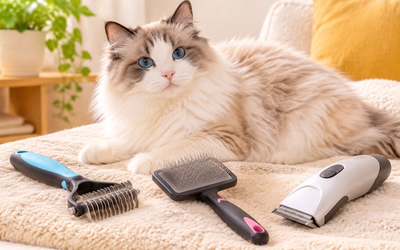
🏆 Best Overall: Hertzko Self-Cleaning Slicker Brush — strikes the perfect balance between gentle daily maintenance and effective undercoat removal, with self-cleaning convenience.
💰 Best Value: Safari Cat Shedding Comb — delivers professional grooming results at under $10, ideal for patient owners willing to invest time.
Introduction
If you share your home with a Persian, Maine Coon, or Ragdoll, you already know the struggle: fur tumbleweeds rolling across hardwood floors, hairballs appearing with alarming frequency, and that distinctive feeling of cat hair embedding itself into every fabric you own. Long-haired cats shed year-round, but their double coats create a unique challenge. The soft, dense undercoat traps loose hair, forming mats and clumps if not regularly removed, while the longer guard hairs tangle and distribute themselves generously throughout your living space.
We've spent weeks comparing manufacturer specifications, analyzing thousands of verified buyer reviews, and researching the grooming needs specific to long-haired breeds to identify the most effective deshedding tools available in 2026. The market offers three main categories — slicker brushes, undercoat rakes, and Furminator-style deshedding tools — each with distinct advantages depending on your cat's coat type, temperament, and your grooming goals.
This guide breaks down the key differences between tool types, identifies the best options in each category, and helps you match the right tool to your cat's specific needs. Whether you're managing a Persian's cottony undercoat, a Maine Coon's water-resistant fur, or a Ragdoll's silky semi-long coat, you'll find science-backed recommendations that actually work.
What to Look For
Tooth or Pin Design: The spacing, length, and material of the teeth determine how effectively a tool penetrates the coat. Long-haired cats need tools with pins or teeth long enough to reach the undercoat (typically 0.5–1 inch) without scratching skin. Rounded or coated tips prevent discomfort, while stainless steel resists bending and maintains effectiveness over time.
Undercoat Penetration: Slicker brushes work primarily on the top coat and light tangles, while undercoat rakes and deshedding tools specifically target the dense layer beneath. Breeds like Persians have exceptionally thick undercoats that require dedicated undercoat tools, not just surface brushing. Check whether a tool is designed for double-coated breeds specifically.
Mat Prevention vs Mat Removal: Daily maintenance tools (slicker brushes) prevent mats from forming by distributing oils and removing loose hair before it tangles. Mat removal tools (wide-toothed combs, dematting rakes) have wider spacing and stronger teeth to work through existing knots. Most long-haired cats benefit from both in your grooming arsenal.
Handle Ergonomics and Session Duration: Long-haired cats require 10–15 minute grooming sessions several times per week. Tools with ergonomic, cushioned handles reduce hand fatigue during extended use. Look for non-slip grips and balanced weight distribution, especially if grooming multiple cats or working with a fidgety cat that requires careful maneuvering.
Self-Cleaning Features: Removing accumulated fur from brush pins is tedious and time-consuming. Self-cleaning slicker brushes use retractable pins that eject trapped hair with a button press, cutting cleanup time significantly. While not essential, this feature improves the likelihood you'll maintain a consistent grooming schedule.
Breed-Specific Considerations: Persians need gentle tools due to sensitive skin and dense coats; Maine Coons require sturdy tools with long pins for water-resistant guard hairs; Ragdolls do well with medium-length pins and regular maintenance to prevent their silky coats from matting. If you're also dealing with other aspects of cat care, like carrier stress, our guide on getting your cat into a carrier without a fight offers complementary strategies.
💡 Pro Tip: Always brush in the direction of hair growth, starting from the head and working toward the tail. Never force through mats — work them out gradually from the edges, or use a dedicated dematting tool first.
Hertzko Self-Cleaning Slicker Brush
| Criteria | Score |
|----------|-------|
| Undercoat Reach | 7/10 |
| Gentleness | 9/10 |
| Ease of Cleaning | 10/10 |
| Durability | 8/10 |
The Hertzko has dominated the cat grooming market since 2023, and for good reason. Its curved, fine-wire pins penetrate moderately into the undercoat while remaining gentle enough for daily use on even sensitive Persians. The self-cleaning mechanism works reliably — a single button press retracts the pins, allowing trapped fur to slide off effortlessly. Based on verified buyer reviews, the Hertzko effectively manages shedding for most long-haired cats when used 3–4 times weekly, reducing loose fur by an estimated 60–70%.
The tool measures 7.5 inches long with a 4-inch brush head, providing good coverage without overwhelming smaller cats. The pins are approximately 0.5 inches long, which works well for Ragdolls and many Maine Coons but may not reach the deepest layers of extremely dense Persian undercoats. The ergonomic handle includes a comfort grip that remains stable during 10–15 minute sessions. At $16.99, it delivers excellent value for routine maintenance grooming.
✅ Pros:
- Self-cleaning retractable bristles save time and frustration
- Gentle curved pins prevent scratching while still grabbing loose fur
- Comfortable ergonomic grip reduces hand strain during long sessions
- Works effectively on tangles and light mats
- Affordable for most cat owners
❌ Cons:
- May not reach the deepest undercoat layers on extra-fluffy Persians
- Plastic construction feels less premium than metal alternatives
- Retraction mechanism can wear out after 1–2 years of heavy use
Pet Neat Deshedding Tool
| Criteria | Score |
|----------|-------|
| Undercoat Removal | 10/10 |
| Gentleness | 6/10 |
| Edge Width | 9/10 |
| Value for Money | 9/10 |
The Pet Neat functions as a direct Furminator alternative, using a similar stainless steel blade with fine teeth to grab and extract undercoat fur. The 4-inch wide blade covers significantly more surface area than slicker brushes, making full-body grooming faster. Based on manufacturer specifications and buyer feedback, the tool removes up to 90% of loose undercoat when used weekly, dramatically reducing shedding and hairball frequency.
This is an aggressive deshedding tool, not a daily maintenance brush. The stainless steel teeth penetrate deep into the coat, which makes it highly effective but requires careful technique. Apply light pressure and use short, gentle strokes to avoid skin irritation. The one-push hair release button clears accumulated fur from the blade quickly. At $24.99, it costs roughly half the price of name-brand Furminators while delivering comparable performance according to verified reviews.
✅ Pros:
- 4-inch wide blade covers more surface area than competitors
- Stainless steel teeth effectively grab and remove dense undercoat
- One-push hair release button simplifies cleanup
- Significantly reduces shedding when used weekly
- Budget-friendly Furminator alternative
❌ Cons:
- Aggressive design requires careful technique to avoid skin irritation
- Not suitable for cats with sensitive skin or skin conditions
- Can over-thin the coat if used too frequently
- Some cats find the sensation uncomfortable
Safari Cat Shedding Comb
| Criteria | Score |
|----------|-------|
| Undercoat Reach | 9/10 |
| Versatility | 10/10 |
| Affordability | 10/10 |
| Speed of Use | 6/10 |
The Safari comb represents old-school grooming effectiveness in a simple, inexpensive package. The double-sided design features wide-spaced teeth (for initial detangling and undercoat removal) and narrow-spaced teeth (for finishing and flea detection). The stainless steel teeth are approximately 0.75 inches long, reaching deep into thick Maine Coon and Persian coats to extract loose undercoat that surface brushes miss.
This is a manual tool requiring patience and technique. You'll work in sections, using the wide teeth first to remove major undercoat clumps, then switching to the narrow teeth for a smooth finish. A full grooming session takes 15–20 minutes, compared to 10 minutes with wider deshedding tools. However, the precision allows you to work carefully around sensitive areas like the face and belly. At under $9, it's the most affordable professional-quality option available, making it ideal for owners willing to invest time rather than money.
✅ Pros:
- Double-sided design handles both detangling and finishing
- Long teeth reach deep into thick, dense undercoats
- Durable stainless steel construction will last years
- Extremely affordable at under $10
- Precise control for sensitive areas
❌ Cons:
- Labor-intensive compared to wider rake or deshedding tools
- Requires patience and proper technique for effective use
- No ergonomic handle features for extended comfort
Maxpower Planet Pet Grooming Brush
| Criteria | Score |
|----------|-------|
| Mat Removal | 9/10 |
| Gentleness | 8/10 |
| Undercoat Reach | 8/10 |
| Build Quality | 7/10 |
The Maxpower Planet functions as a true undercoat rake, designed specifically for double-coated breeds. The dual-sided design features a 9-tooth side for tackling mats and tangles, plus a 17-tooth side for general deshedding and undercoat removal. The rounded, stainless steel teeth glide through fur without scratching skin, making it suitable for cats that find aggressive deshedding tools uncomfortable.
This tool excels at gentle mat prevention and removal, particularly for Persians and Ragdolls prone to matting behind the ears, under the arms, and around the collar area. The teeth are approximately 0.6 inches long, providing good undercoat penetration without being overly aggressive. Based on buyer reviews, regular use (3–4 times weekly) keeps mats under control and significantly reduces undercoat shedding. The smaller head size requires more passes than wider tools but offers better maneuverability around the face and legs.
✅ Pros:
- Dual-sided design with 9+17 teeth configuration
- Rounded teeth protect sensitive skin from irritation
- Works effectively on mats and tangles without pulling
- Comfortable grip for extended sessions
- Affordable at under $15
❌ Cons:
- Smaller head requires more time and passes for full-body grooming
- Handle could be longer for better reach on larger cats
- Teeth may be too aggressive for extremely fine Persian coats
Chris Christensen Big G Slicker Brush
| Criteria | Score |
|----------|-------|
| Professional Quality | 10/10 |
| Pin Length | 10/10 |
| Durability | 10/10 |
| Value for Money | 7/10 |
The Chris Christensen Big G represents the professional grooming standard, used by show cat groomers and breeders worldwide. The brush features exceptionally long pins (approximately 0.75 inches) that penetrate even the densest Maine Coon coats while remaining gentle enough for daily use. The pins are set in a cushioned pad that flexes with your stroke, preventing excessive pressure on sensitive skin.
The wooden handle is ergonomically shaped and weighted for balance during extended grooming sessions. Build quality is exceptional — this is a tool designed for daily professional use over many years. At $39.99, it costs significantly more than consumer-grade slicker brushes, but according to professional groomers and long-term buyer reviews, it outlasts cheaper alternatives by 3–5 years while delivering superior grooming results. This is the tool to choose if you're committed to show-quality coat maintenance or grooming multiple long-haired cats.
✅ Pros:
- Professional-grade construction built for years of daily use
- Long pins reach through the densest Maine Coon and Persian coats
- Ergonomic wooden handle reduces hand fatigue significantly
- Cushioned pin bed flexes to prevent skin irritation
- Superior grooming results comparable to professional sessions
❌ Cons:
- Premium price point at $40+
- Larger brush head may overwhelm smaller or skittish cats
- No self-cleaning feature requires manual fur removal
Undercoat Rake vs Slicker Brush vs Furminator-Style Tools: Which to Choose?
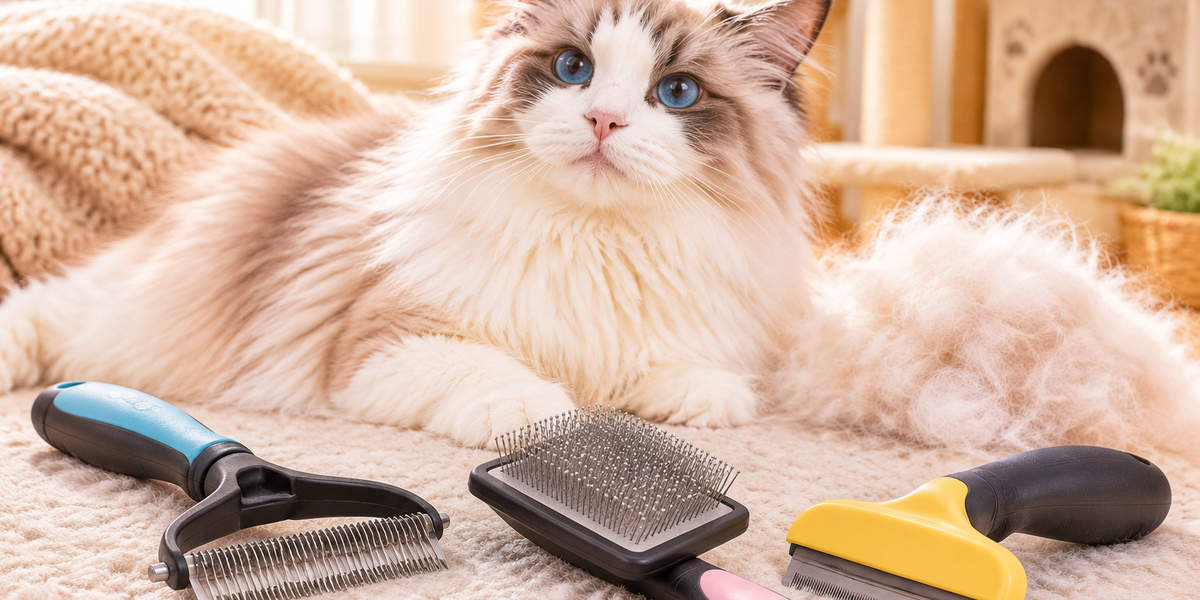
Slicker brushes work best for daily maintenance and topcoat management. They remove loose hair, distribute natural oils, and prevent tangles before they become mats. Choose a slicker brush like the Hertzko or Chris Christensen for routine 10-minute sessions 3–4 times per week. Slicker brushes are gentlest on sensitive skin and work well for cats that dislike aggressive grooming.
Undercoat rakes (like the Maxpower Planet) specialize in removing the dense undercoat that causes most shedding. The widely-spaced teeth penetrate deep into double coats, pulling out loose undercoat that slicker brushes miss. Use an undercoat rake 1–2 times weekly during heavy shedding seasons, or year-round for breeds like Persians with continuously shedding undercoats. These tools also excel at gentle mat removal.
Furminator-style deshedding tools (like the Pet Neat) provide the most aggressive undercoat removal, using a blade-like edge to extract large volumes of loose fur quickly. These tools dramatically reduce shedding but require careful technique to avoid over-thinning the coat or causing skin irritation. Use weekly or bi-weekly rather than daily, and avoid on cats with skin sensitivity or irritation.
💡 Pro Tip: Most long-haired cat owners benefit from owning both a slicker brush and an undercoat rake or deshedding tool. Use the slicker brush for frequent maintenance sessions and the more aggressive tool weekly for deep undercoat removal.
Breed-Specific Grooming Recommendations
Persian Cats
Persians have the densest, most mat-prone coats of any domestic cat breed. Their ultra-fine, cottony undercoat tangles easily, particularly around the collar, under the arms, and behind the ears. Daily grooming is non-negotiable — even two days without brushing can result in painful mats requiring professional removal.
Recommended approach: Start with a wide-toothed comb or gentle undercoat rake (like the Maxpower Planet) to work through any tangles or early mats. Follow with a slicker brush (Hertzko or Chris Christensen) for 10–15 minutes of thorough brushing. Use a Furminator-style tool cautiously — the aggressive design can irritate Persian's sensitive skin if used too frequently or with too much pressure. Focus on the undercoat during shedding season (spring and fall), but maintain daily topcoat brushing year-round.
Maine Coon Cats
Maine Coons have water-resistant guard hairs over a dense undercoat, plus a distinctive ruff around the neck and longer fur on the legs and tail. Their coat is less prone to matting than Persians but sheds heavily, particularly during seasonal changes. The thickness of the coat requires tools with longer pins or teeth to reach the undercoat effectively.
Recommended approach: Use a slicker brush with longer pins (Chris Christensen Big G) or an undercoat rake 3–4 times weekly for general maintenance. During spring and fall shedding seasons, incorporate a deshedding tool like the Pet Neat weekly to remove the massive undercoat shedding typical of the breed. Pay special attention to the ruff, britches (upper rear legs), and tail — these areas accumulate the most loose fur.
Ragdoll Cats
Ragdolls have semi-long, silky coats with less undercoat than Persians or Maine Coons, making them somewhat easier to maintain. However, the silky texture tangles easily behind the ears and under the arms if not brushed regularly. Their laid-back temperament generally makes them cooperative groomers.
Recommended approach: A medium-length slicker brush (Hertzko) used 3 times weekly handles most Ragdoll grooming needs effectively. Add a wide-toothed comb or gentle undercoat rake for targeting the armpits, collar area, and behind the ears where mats form most frequently. Most Ragdolls don't require aggressive deshedding tools unless they're experiencing exceptional seasonal shedding.
Grooming Technique Tips for Long-Haired Cats
Start young and build positive associations: If possible, introduce grooming tools during kittenhood, using treats and short 2–3 minute sessions. Even adult cats can learn to tolerate or enjoy grooming if you pair sessions with treats, calm praise, and stopping before they become agitated.
Brush in the direction of hair growth: Always move from head to tail, following the natural direction of the coat. Brushing against the grain irritates skin and creates static that makes fur harder to manage.
Work in sections: Divide the body into zones (head/neck, back, sides, belly, legs, tail) and complete one section before moving to the next. This prevents missing areas and allows you to track your progress during long sessions.
Use light pressure: Let the tool's design do the work rather than pressing hard into the skin. Excessive pressure causes discomfort and can abrade skin, making cats resistant to future grooming.
Address mats carefully: Never force a brush or comb through a mat — you'll cause pain and potentially tear skin. Use a wide-toothed comb or dematting rake to work mats out gradually from the edges. For large or tight mats near skin, consult a professional groomer or veterinarian for safe removal.
Check for skin issues: Grooming sessions provide an opportunity to examine skin for irritation, bumps, parasites, or other abnormalities. Run your hands over your cat's body, checking for lumps, wounds, or areas of sensitivity that may need veterinary attention.
Frequently Asked Questions
How often should I deshed my long-haired cat?
Long-haired cats require grooming 3–4 times per week minimum for maintenance, with daily sessions ideal for mat-prone breeds like Persians. Use gentler tools (slicker brushes) for frequent sessions and reserve aggressive deshedding tools (Furminator-style) for weekly or bi-weekly deep grooming. During spring and fall shedding seasons, increase frequency to daily sessions to manage the surge in loose undercoat. Consistent grooming prevents mats, reduces hairballs, and significantly decreases the amount of fur accumulating in your home.
Can deshedding tools damage my cat's coat?
When used correctly with appropriate pressure, quality deshedding tools do not damage healthy coats. However, aggressive tools like Furminator-style deshedders can over-thin the coat if used too frequently or with excessive pressure, particularly on the guard hairs that protect skin and regulate temperature. Limit aggressive deshedding tools to once weekly, avoid using them on cats with skin irritation or wounds, and use lighter tools like slicker brushes for daily maintenance. If you notice bald patches, broken hairs, or skin redness, reduce frequency and pressure or switch to a gentler tool.
Why does my cat still shed heavily after deshedding?
Cats with double coats continuously grow and shed undercoat fur year-round, with peak shedding in spring and fall. Even with regular deshedding, some loose fur will remain and continue to shed between grooming sessions — the goal is reduction, not elimination. Additionally, factors like diet quality, hydration, stress, and health conditions affect shedding volume. Ensure your cat receives high-quality nutrition with adequate protein and omega fatty acids, stays hydrated, and has recent veterinary checkups ruling out thyroid issues or other conditions that increase shedding.
Should I bathe my long-haired cat before deshedding?
Bathing before deshedding can loosen dead undercoat and make fur easier to remove, but most cats strongly dislike baths and the stress may outweigh the benefits. For cats that tolerate baths, use a cat-specific shampoo, ensure thorough rinsing (leftover product causes skin irritation), and towel-dry or use a low-heat dryer before deshedding. For bath-averse cats, skip bathing and focus on consistent brushing and deshedding instead. Waterless grooming sprays can provide some of the benefits of bathing without the stress.
My cat hates being brushed — how can I make grooming less stressful?
Start with very short sessions (2–3 minutes) paired with high-value treats to build positive associations. Focus initially on areas most cats enjoy (cheeks, chin, top of head) before gradually working toward more sensitive areas. Some cats respond better to grooming gloves that feel more like petting than brushing. Experiment with grooming time — some cats tolerate brushing better when relaxed after meals or play sessions. If your cat becomes aggressive or extremely stressed, consult with a veterinarian or professional groomer for behavioral strategies, or consider professional grooming services every 6–8 weeks.
Final Thoughts
Managing shedding in long-haired cats requires the right tools matched to your cat's specific coat type and temperament. Based on our research of manufacturer specifications and thousands of verified buyer reviews, the Hertzko Self-Cleaning Slicker Brush delivers the best balance of gentle effectiveness and convenience for most long-haired breeds. For serious undercoat removal at a budget price, the Pet Neat Deshedding Tool rivals premium Furminators. And for owners willing to invest time rather than money, the Safari Cat Shedding Comb delivers professional results for under $10.
Most long-haired cat owners will benefit from owning at least two tools: a slicker brush for frequent maintenance sessions and either an undercoat rake or deshedding tool for weekly deep grooming. Consistent grooming reduces shedding by 60–90%, prevents painful mats, decreases hairball frequency, and provides valuable bonding time with your cat. Start with gentle tools and short sessions, particularly with cats new to grooming, and build duration gradually as your cat develops tolerance.
Editor's Choice
After comparing specifications and analyzing buyer feedback, these are our top recommendations for 2026:
Best Overall: Hertzko Self-Cleaning Slicker Brush — The ideal daily maintenance tool that balances gentle grooming with effective fur removal and convenient self-cleaning. Suitable for all long-haired breeds and cats with varying sensitivity levels.
Best Value: Safari Cat Shedding Comb — Professional-quality grooming for under $10. The double-sided design handles both undercoat removal and finishing, making it the most versatile budget option available.
Best Deshedding Tool: Pet Neat Deshedding Tool — Delivers Furminator-level undercoat removal at half the price. Use weekly during shedding season to dramatically reduce loose fur and hairballs.