We may earn a commission when you purchase through links on our site, at no extra cost to you. This supports our mission to provide trusted cat care advice.
⭐ Our Top Pick
🏆 Best Overall: Sleepypod Mobile Pet Bed Carrier — Crash-tested safety meets anxiety-reducing design with top and side entry points that help nervous cats enter willingly.
💰 Best Value: Petmate Two Door Top Load Kennel — Affordable hard-sided protection with top-loading access that makes loading frightened cats dramatically easier.
Introduction
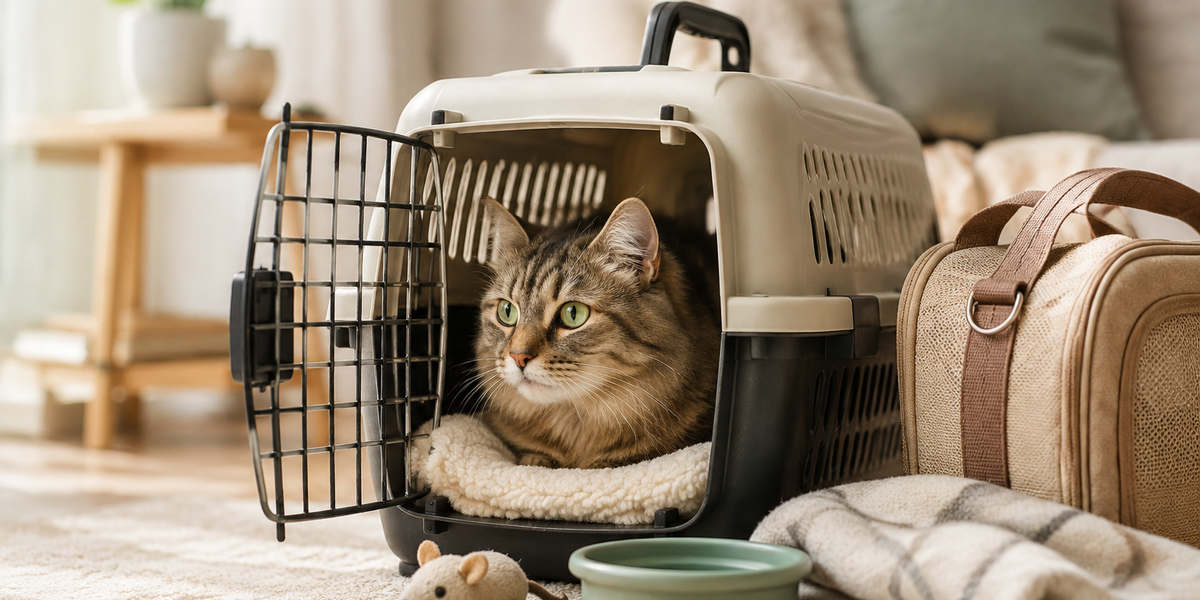
If you've ever wrestled a terrified cat into a carrier while bleeding from multiple scratches, you know that vet visits can be traumatic for everyone involved. The carrier you choose makes an enormous difference in whether your cat views transport as a minor inconvenience or a full-blown crisis. Anxious cats need carriers that reduce their stress triggers: claustrophobic spaces, difficult entry angles, unfamiliar smells, and lack of visual escape routes.
We researched dozens of cat carriers in 2026, comparing manufacturer specifications, veterinary behaviorist recommendations, and thousands of verified buyer reviews from cat parents dealing with anxious felines. The best carriers for vet visits share common features: top-loading or multiple entry points (so you're not forcing a terrified cat through a narrow front door), adequate ventilation and visibility, and secure construction that won't collapse or open accidentally.
This guide breaks down the top carriers that help anxious cats travel with less stress, from crash-tested premium options to budget-friendly designs that solve the loading problem. Whether your cat freezes in fear, becomes aggressive, or tries to hide under furniture at the sight of a carrier, we've identified options that address these specific behavioral challenges.
What to Look For in a Cat Carrier for Anxious Cats
Top-Loading or Multiple Entry Points: Anxious cats resist being pushed through narrow front doors. Top-loading carriers let you gently lower your cat in from above, which feels less threatening. Multiple entry points (top, front, side) give you flexibility when your cat plants their feet and refuses to cooperate.
Secure but Not Claustrophobic Construction: Hard-sided carriers provide security and prevent escape, but they should have generous ventilation windows. Soft-sided carriers feel less confining but must have reinforced zippers and structural integrity so they don't collapse. Anxious cats panic when they feel trapped in a collapsing space.
Adequate Ventilation and Visibility: Mesh panels or ventilation holes on multiple sides let your cat see out and monitor their environment, which reduces anxiety. Carriers with only front ventilation leave cats feeling boxed in. Look for 360-degree airflow and sightlines.
Easy Disassembly for Vet Exams: The best carriers for vet visits allow the top half to detach completely, so your cat can remain in the familiar bottom portion during examinations. This eliminates the stress of forcing a frightened cat out of the carrier in the exam room.
Comfortable Interior Surface: Anxious cats benefit from soft bedding or removable fleece pads that absorb stress-related accidents and provide a cozy surface. Some carriers come with washable pads; others accommodate your own bedding. Familiar-smelling bedding helps cats feel more secure.
Crash-Tested Safety (for Car Travel): If you transport your cat by car, crash-tested carriers prevent injury during sudden stops or accidents. Standard carriers become projectiles in collisions. Look for Center for Pet Safety certification or similar crash-test ratings if vehicle safety matters to you.
Sleepypod Mobile Pet Bed Carrier
| Criteria | Score |
|----------|-------|
| Safety (Crash-Tested) | 10/10 |
| Anxiety Reduction | 9/10 |
| Ease of Loading | 9/10 |
| Value for Money | 7/10 |
The Sleepypod Mobile Pet Bed represents the premium end of cat carrier design, and it earns that price tag through genuine crash-test certification and thoughtful anxiety-reduction features. This carrier has been independently tested and rated by the Center for Pet Safety, meaning it won't become a projectile in a car accident. Beyond safety, it addresses anxious cat behavior through dual entry points: a zippered side opening and a top mesh panel that zips open fully. Nervous cats can be gently lowered in from above rather than forced through a narrow tunnel.
What sets this carrier apart for anxious cats is its dual-purpose design. It functions as a comfortable pet bed when not in use for transport, which means your cat can sleep in it daily at home. This familiarization dramatically reduces carrier anxiety because your cat doesn't associate it exclusively with vet visits. The interior is plush and den-like, with high sides that create a secure, cozy space. Ventilation is excellent through mesh panels, and the neutral design looks like furniture rather than a cage.
Based on verified buyer reviews, cats who previously fought carrier loading often walk into the Sleepypod voluntarily after a few weeks of using it as a bed. The carrier accommodates cats up to 15 pounds comfortably. It's airline-approved for in-cabin travel, though its structured design makes it heavier (6 pounds empty) than collapsible soft carriers.
✅ Pros:
- Crash-tested and certified by Center for Pet Safety for vehicle transport
- Doubles as everyday pet bed to reduce carrier-specific anxiety
- Top and side entry points make loading resistant cats significantly easier
- Premium materials and construction withstand years of use
❌ Cons:
- $150 price point is a significant investment compared to budget carriers
- Heavier and bulkier than soft-sided alternatives (6 lbs empty, doesn't collapse)
- Structured design takes up more storage space when not in use
💡 Pro Tip: Place the Sleepypod in your cat's favorite sleeping spot with a familiar blanket inside for 2-3 weeks before your first vet visit. Let your cat claim it as their territory so it smells like home, not like a trap.
Petmate Two Door Top Load Kennel
| Criteria | Score |
|----------|-------|
| Ease of Top Loading | 9/10 |
| Durability | 8/10 |
| Value for Money | 9/10 |
| Anxiety Reduction | 7/10 |
The Petmate Two Door Top Load Kennel solves the single biggest problem with traditional carriers: the wrestling match to push an unwilling cat through a narrow front door. This hard-sided plastic carrier features a full-size top-loading door in addition to the standard wire front door, which means you can simply lift the top and lower your cat in from above. For anxious cats who splay their legs and refuse to be pushed forward, this design is transformative.
The hard-sided construction provides security and prevents escape, which matters for cats who become aggressive when frightened. The top half unlatches completely from the bottom, making it easy to leave your cat in the familiar bottom half during vet exams rather than forcing them out into an unfamiliar exam table. Ventilation is adequate through the wire front door and side ventilation slots, though it's not as open and airy as soft-sided mesh carriers.
Buyer reviews consistently praise this carrier for making vet visits manageable with previously difficult cats. The trade-off is that hard plastic feels less cozy than soft carriers, and some cats find the enclosed sides more stressful than open mesh. The Petmate comes in multiple sizes; choose the 19-inch length for average-sized cats (up to 15 pounds) or the larger 24-inch for bigger breeds. At under $40, it's one of the most affordable solutions to the top-loading problem.
✅ Pros:
- Top-loading door eliminates the struggle of pushing resistant cats through front entry
- Hard-sided durability and security for aggressive or escape-prone cats
- Top section detaches completely for stress-free vet exams
- Budget-friendly price under $40 for most sizes
❌ Cons:
- Hard plastic interior feels less cozy and comfortable than soft carriers
- Wire door can pinch fingers or paws if not latched carefully
- Less breathable and visible than mesh-sided soft carriers
Sherpa Original Deluxe Airline Approved Pet Carrier
| Criteria | Score |
|----------|-------|
| Comfort & Ventilation | 9/10 |
| Airline Compatibility | 10/10 |
| Ease of Loading | 6/10 |
| Durability | 7/10 |
The Sherpa Original Deluxe takes a different approach to anxious cats: instead of hard-sided security, it offers soft-sided comfort and maximum breathability. This carrier features mesh panels on three sides (front, top, and back), which gives anxious cats excellent visibility and airflow. Cats who panic in enclosed spaces often calm down when they can see their surroundings clearly. The mesh is reinforced to resist scratching, and the carrier structure includes internal support panels that prevent collapse.
This carrier is designed for under-seat airline travel, which means it fits airline size restrictions while still providing adequate space for cats up to 16 pounds. The soft sides compress slightly when sliding under an airplane seat, then expand once in position. For vet visits, the soft construction feels less threatening to anxious cats than hard plastic cages, and the shoulder strap makes carrying easier than lugging a bulky hard carrier.
The primary limitation for anxious cats is the front-entry design. While the opening is generous, you're still coaxing your cat through a front door rather than lowering them in from above. Buyer reviews indicate this works well for moderately anxious cats but can still be challenging for cats who freeze or fight. The carrier includes a removable fleece pad and a safety strap that clips to your cat's harness to prevent escape when opening the carrier. The Sherpa has been a consistent top seller since its introduction, with thousands of verified reviews praising its airline reliability and cat comfort.
✅ Pros:
- Soft-sided construction with three mesh panels reduces claustrophobia and improves visibility
- Airline-approved and fits under most airline seats for frequent travelers
- Lightweight and includes padded shoulder strap for comfortable carrying
- Removable, washable fleece pad handles accidents and provides cozy surface
❌ Cons:
- Front-entry design still challenging for cats who refuse to walk into carriers
- Mesh can be damaged by cats with severe scratching anxiety
- Less protective than hard-sided carriers if dropped or bumped
Necoichi Portable Ultra Light Cat Carrier
| Criteria | Score |
|----------|-------|
| Weight & Portability | 10/10 |
| Top-Loading Access | 8/10 |
| Durability | 6/10 |
| Value for Money | 8/10 |
The Necoichi Portable Ultra Light addresses a practical problem: if you're carrying an anxious 12-pound cat in a 6-pound carrier, you're hauling 18 pounds of combined weight. This carrier weighs just 1.5 pounds empty, which makes a significant difference during the walk from your car to the vet's office. The ultra-light design comes from a fabric and mesh construction with minimal internal structure, yet it includes a wide top-opening zipper that spans nearly the entire top surface.
This wide top access is the key feature for anxious cats. You can fully open the top and lower your cat in without forcing them through a narrow opening. The carrier includes a removable hard board bottom for stability and a soft pad for comfort. When not in use, it collapses completely flat for storage, which is ideal for small apartments. Ventilation is excellent through front and side mesh panels.
The trade-off for lightweight portability is reduced durability compared to structured carriers. Buyer reviews report that aggressive scratchers can damage the fabric over time, and the lightweight construction doesn't provide crash-test safety for vehicle travel. This carrier excels for short trips (home to vet and back) when you need minimal bulk and easy loading, but it's not the choice for long road trips or cats who panic and claw aggressively. The Necoichi comes in three sizes; the medium (17"L x 11"W x 11"H) works for most cats up to 15 pounds.
✅ Pros:
- Ultra-lightweight design (1.5 lbs) reduces carrying fatigue significantly
- Wide top-opening zipper makes loading anxious cats easier than narrow entries
- Collapses flat for compact storage when not in use
- Affordable price point around $45
❌ Cons:
- Fabric construction less durable than hard-sided carriers, especially with scratchers
- Minimal structure means less protective if dropped or bumped
- Not crash-tested for vehicle safety during car transport
SportPet Designs Foldable Travel Cat Carrier
| Criteria | Score |
|----------|-------|
| Entry Point Flexibility | 10/10 |
| Value for Money | 9/10 |
| Storage Convenience | 9/10 |
| Durability | 6/10 |
The SportPet Designs Foldable gives you the most entry point options at a budget price: front door, side door, and top opening. This flexibility matters enormously with anxious cats because you can adapt to your cat's specific fears. If your cat refuses the front door, try the top. If they panic when you reach from above, use the side entry. Having three options means you're not stuck wrestling with a single access point.
This soft-sided carrier folds completely flat when not in use, collapsing down to about 2 inches thick for storage in a closet or under a bed. When expanded, it has mesh panels on all four sides plus the top, providing excellent ventilation and visibility. The multiple mesh surfaces help anxious cats feel less trapped because they can see escape routes (even though the mesh is secure). The carrier includes a removable fleece pad and comes in three sizes, with the medium (18"L x 11"W x 11"H) suitable for most cats.
The budget-friendly price ($35) comes with some compromises. Buyer reviews consistently mention that zipper quality is variable, with some units arriving with smooth zippers and others developing snags after a few uses. The structure is less rigid than hard-sided carriers, so it can sag or collapse slightly when picked up by the handles if your cat shifts weight suddenly. For short vet trips with moderately anxious cats, it provides excellent value and flexibility. For aggressive cats who might force a zipper, consider a more robust option.
✅ Pros:
- Three entry points (front, side, top) provide maximum loading flexibility for resistant cats
- Folds completely flat for storage in small spaces
- Mesh on all sides gives anxious cats excellent visibility and reduces trapped feeling
- Budget price under $35 makes it accessible for most cat parents
❌ Cons:
- Zipper quality inconsistent based on buyer reviews; some units develop problems
- Soft structure less protective than hard carriers during transport
- Not suitable for aggressive cats who might force zippers or tear mesh
💡 Pro Tip: Whichever carrier you choose, leave it out in your living space with the door open and a treat inside for at least a week before you need to use it. Cats who encounter carriers only during vet emergencies learn to fear them. Make the carrier a normal, positive part of the environment.
Frequently Asked Questions
How do I get my anxious cat into a carrier without a fight?
The key is making the carrier a familiar, non-threatening space long before you need to use it. Leave the carrier out with the door open in a room your cat frequents. Place treats, catnip, or favorite toys inside so your cat explores it voluntarily. Feed meals near or inside the carrier. This process, called desensitization, can take several weeks but transforms the carrier from a trap into a familiar den. When you finally need to use it, your cat has positive associations instead of panic. Top-loading carriers like the Petmate or Sleepypod make the actual loading process much easier because you're lowering your cat in from above rather than pushing them through a narrow front door.
What size carrier do I need for my cat?
Your cat should be able to stand up fully, turn around comfortably, and lie down in a natural position inside the carrier. Measure your cat from nose to base of tail (not including the tail), then add 3-4 inches to get the minimum carrier length. For height, measure your cat sitting upright from floor to top of head, then add 2-3 inches. Most average-sized cats (8-15 pounds) fit comfortably in medium carriers around 18-19 inches long. Larger breeds like Maine Coons need carriers 24 inches or longer. A carrier that's too small increases anxiety; a carrier that's too large allows your cat to slide around during transport, which is also stressful.
Are soft-sided or hard-sided carriers better for anxious cats?
It depends on your cat's specific anxiety triggers. Soft-sided carriers with mesh panels provide better visibility and airflow, which helps cats who panic in enclosed spaces. They also feel less like a cage, which some cats find less threatening. However, hard-sided carriers provide more security and prevent escape, which matters if your cat becomes aggressive or panics and tries to claw their way out. Hard-sided carriers with top-loading access (like the Petmate) often work best for severely anxious cats because you get the security of hard walls plus the ease of top-loading. If your cat is moderately anxious and doesn't scratch aggressively, soft-sided carriers like the Sherpa provide more comfort.
Should I cover the carrier to reduce my cat's stress?
Covering a carrier with a light towel or blanket can help some anxious cats by creating a den-like feeling and blocking visual stimuli that trigger fear (other animals at the vet, unfamiliar environments). However, some cats panic more when they can't see their surroundings. Try both approaches during practice sessions at home. If your cat calms down when the carrier is partially covered, use that technique. If they seem more anxious, leave the carrier uncovered. The key is blocking visual stress without creating a claustrophobic feeling. A breathable blanket draped over the back and sides while leaving the front door visible often works well.
How can I make vet visits less stressful for my anxious cat?
Beyond choosing the right carrier, several strategies reduce vet visit stress. First, use synthetic feline pheromone spray (like Feliway) inside the carrier 30 minutes before loading your cat—it mimics calming facial pheromones and reduces anxiety. Second, place a worn t-shirt or blanket that smells like you inside the carrier for comfort. Third, schedule appointments during quieter hours (early morning or late afternoon) to avoid crowded waiting rooms. Fourth, ask your vet if you can wait in the car and text when you arrive, so your cat spends less time in the stressful waiting room. Finally, consider asking your vet about pre-visit anti-anxiety medication for severely anxious cats. Some vets prescribe gabapentin to be given 2 hours before the appointment.
Final Thoughts
The right cat carrier transforms vet visits from a traumatic wrestling match into a manageable routine. For anxious cats, the carrier design matters as much as the vet's skill—if you can't get your cat safely into the carrier without injury and panic, the trip is doomed before it starts. Top-loading or multi-entry carriers solve the single biggest problem: forcing a terrified cat through a narrow front door. Features like adequate ventilation, familiar bedding, and the ability to remove the top for vet exams further reduce stress.
Our top recommendation remains the Sleepypod Mobile Pet Bed Carrier for cat parents who want the best anxiety-reduction features and crash-tested safety, despite the premium price. For budget-conscious cat parents, the Petmate Two Door Top Load Kennel delivers top-loading convenience and durability for under $40. Whichever carrier you choose, remember that desensitization—leaving the carrier out with positive associations—matters as much as the carrier's design features.
Invest time in making your carrier a familiar, safe space for your cat. The result is lower stress for both of you, fewer scratches on your arms, and a cat who doesn't hide under the bed for three days after every vet visit.
Editor's Choice
After comparing specifications and thousands of verified buyer reviews, these carriers stand out for reducing anxiety and simplifying vet visits:
- Best Overall: Sleepypod Mobile Pet Bed Carrier — Crash-tested safety, dual-purpose bed design, and multiple entry points make this the gold standard for anxious cats despite the premium price.
- Best Value: Petmate Two Door Top Load Kennel — Budget-friendly hard-sided protection with top-loading access that eliminates the front-door wrestling match.
- Best for Frequent Travelers: Sherpa Original Deluxe Airline Approved Pet Carrier — Soft-sided comfort, airline approval, and excellent ventilation for cats who travel regularly.