MeowPod is reader-supported. When you buy through links on our site, we may earn an affiliate commission at no cost to you.
⭐ Our Top Pick
🏆 Best Starter Litter Box: Petmate Basic Litter Pan — shallow sides make entry effortless for tiny kittens, and the simple design lets you monitor progress easily.
💰 Best Litter for Training: Dr. Elsey's Kitten Attract — formulated with natural attractant herbs that guide kittens to the box instinctively.
Introduction
Bringing home a kitten is pure joy—until you realize that adorable furball doesn't automatically know where to do their business. The good news? Litter box training is one of the easiest aspects of kitten care when you understand feline instincts. Cats are naturally inclined to bury their waste, a behavior inherited from wild ancestors who concealed their presence from predators. Your job is simply to provide the right setup and gentle guidance.
We've helped thousands of kitten parents navigate this crucial first step, and in our experience, most kittens master litter box use within days when the process is approached correctly. The key lies in understanding what kittens need: accessibility, cleanliness, safety, and positive reinforcement. Whether you're adopting an 8-week-old kitten or rescuing an older stray, this guide walks you through every stage of successful litter training.
By the end of this article, you'll know exactly how to set up your training environment, recognize readiness cues, troubleshoot accidents, and establish clean habits that last a lifetime. Let's turn those nervous first days into confident, accident-free weeks.
What to Look For
Before diving into training techniques, understand the essential elements that make or break litter box success:
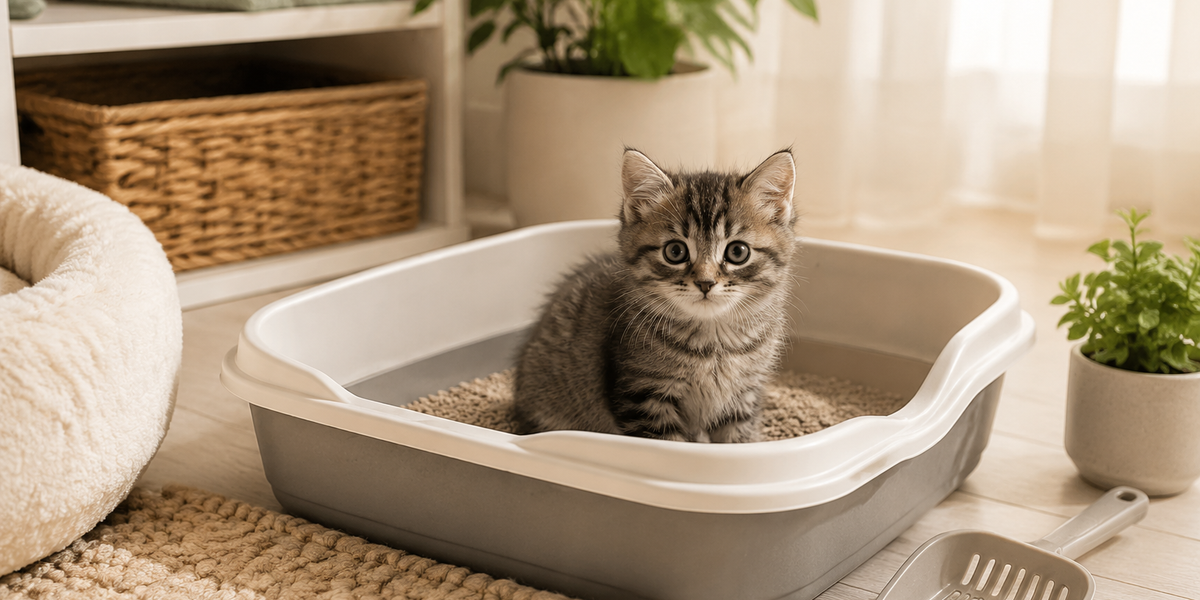
The Right Box Size and Style — Kittens need low-sided boxes (2-3 inches) they can enter without climbing. Avoid covered boxes initially; they can intimidate young cats and trap odors that discourage use. The box should be at least 1.5 times your kitten's length, with room to turn around comfortably.
Kitten-Safe Litter — Choose unscented, clumping clay or natural options without additives. Avoid crystal or scented litters that may irritate sensitive paws or respiratory systems. Depth matters too: 2-3 inches gives kittens enough material to dig without overwhelming them.
Strategic Placement — Position boxes in quiet, low-traffic areas away from food and water. Kittens won't use boxes near their dining space—it violates their instinctual hygiene standards. For multi-story homes, place one box per floor during initial training.
Adequate Quantity — The golden rule is one box per cat plus one extra. Even with a single kitten, having two boxes prevents territorial issues if you adopt another cat later and gives your kitten options if one box feels dirty.
Easy Cleaning Access — You'll scoop 2-3 times daily during training, so choose boxes you can clean quickly. Smooth plastic surfaces prevent waste from sticking, making daily maintenance less of a chore.
Attractant Options — Consider litters formulated specifically for training, which contain natural herbs (like those in Dr. Elsey's Kitten Attract) that draw kittens to the box through scent.
Setting Up for Success: The Foundation
Before your kitten arrives home, establish your litter station. We recommend starting in a small, confined space—a bathroom or large closet works perfectly for the first few days. This prevents your kitten from having accidents in distant rooms before they've learned where the box lives.
Fill your Petmate Basic Litter Pan with 2-3 inches of litter. Place it in a corner away from food bowls and bedding, ensuring the kitten can always see the box from their primary play area. Add a second box on the opposite side of your setup space if room allows.
💡 Pro Tip: Place your kitten in the litter box within minutes of arriving home. Let them sniff and explore without forcing interaction. This creates a positive first impression and helps them map the box's location immediately.
The Step-by-Step Training Process
Week One: Establishing the Habit
Day 1-3: Place your kitten in the litter box after every meal, nap, and play session—typically 6-8 times daily. Kittens naturally need to eliminate 15-30 minutes after eating. Watch for signs like sniffing, circling, or squatting, then gently place them in the box. Never scold or startle them; simply provide opportunity.
If your kitten uses the box, offer immediate quiet praise—a soft "good job" and gentle pet. Overly enthusiastic reactions can startle them. If they jump out without using it, that's fine; they'll go when ready. The goal is building association between the box and relief.
Day 4-7: Expand their access to one additional room, but only after they've consistently used the box in their starter space. Move slowly—too much territory too soon leads to confusion and accidents. Continue the post-meal, post-nap routine religiously.
Week Two: Building Confidence
By week two, most kittens seek the box independently. Your role shifts to maintenance: scoop twice daily minimum, completely change litter weekly, and wash the box monthly with mild soap. Kittens are extraordinarily sensitive to odor; a dirty box is the #1 cause of training regression.
Gradually increase their roaming area, but keep boxes visible and accessible. If your kitten has an accident, clean it thoroughly with an enzymatic cleaner like Nature's Miracle to eliminate odor markers that encourage repeat offenses.
💡 Pro Tip: Black light flashlights reveal dried urine stains invisible to the naked eye. We use them to ensure complete cleanup of accident sites.
Troubleshooting Common Challenges
The Kitten Who Avoids the Box
If your kitten consistently eliminates outside the box, systematically rule out causes:
Medical issues — Urinary tract infections or parasites cause pain during elimination, creating negative box associations. A vet visit should be your first stop if avoidance appears suddenly.
Box aversion — Is the box too small, too dirty, or in a scary location? Kittens won't use boxes near loud appliances or in high-traffic hallways. Move it to a quieter spot and see if behavior improves.
Litter texture — Some kittens dislike certain litter types. Try transitioning to a softer, finer-grain option. Clay, wheat, and paper litters each have different feels; experimentation helps you find your kitten's preference.
The Kitten Who Uses the Box Inconsistently
Partial success means you're close—the kitten understands the concept but something's still off. Check these factors:
- Timing: Are you providing access after trigger events (meals, play)?
- Accessibility: Can they reach the box quickly from anywhere in their space?
- Cleanliness: Are you scooping immediately after each use during training?
- Stress: New pets, loud visitors, or rearranged furniture disrupt routines.
Frequently Asked Questions
How long does litter box training typically take?
Most kittens achieve 90% consistency within 2-4 weeks. Kittens adopted at 8-12 weeks often train faster than younger or older cats because they've observed their mother's behavior. However, complete reliability—zero accidents—sometimes takes 6-8 weeks as bladder control improves with age.
What if my kitten plays in the litter instead of using it?
Completely normal for kittens under 10 weeks. Their play instinct is powerful, and litter's texture is entertaining. Don't scold—instead, redirect to toys when you catch them playing. As they mature and bathroom needs become more urgent, they'll naturally distinguish between play and purpose.
Should I use an attractant litter or regular litter?
We recommend attractant litters like Dr. Elsey's Kitten Attract for the first 4-6 weeks, especially if you're training a younger kitten or one from an outdoor background. The natural herbal scent guides instinctual behavior, speeding the learning curve. Once habits solidify, you can transition to any high-quality, unscented clumping litter.
Can I train multiple kittens at once?
Absolutely, and it's often easier—kittens learn by observation. Ensure you have enough boxes (two kittens need three boxes minimum) and space them throughout your home. Monitor each kitten individually during the first week to confirm both are using the boxes successfully.
What's the best way to clean up accidents?
Use enzymatic cleaners specifically formulated for pet urine. Regular household cleaners mask odor to humans but leave scent markers that tell your kitten "this is a bathroom spot." Soak the area thoroughly with enzymatic solution, let it sit 10-15 minutes, then blot dry. Repeat if necessary until a black light reveals no staining.
Final Thoughts
Litter box training your kitten doesn't require magic—just patience, consistency, and an understanding of feline instincts. Remember that kittens are remarkably clean animals by nature; when training fails, it's almost always an environmental issue, not stubbornness. By providing appropriate boxes, keeping them spotless, and guiding your kitten with gentle repetition, you're setting up a lifetime of good bathroom habits.
The first few weeks demand vigilance, but the payoff is enormous: a confident, well-adjusted cat who instinctively knows where to go. Start with the right equipment, follow the step-by-step process we've outlined, and address problems systematically when they arise. Your kitten is already wired to succeed—you're simply providing the tools and opportunity.
Ready to begin? Set up that litter box today, stay patient through the learning curve, and enjoy the deep satisfaction of watching your tiny kitten master this essential skill.
Editor's Choice
After years of helping kitten parents navigate litter training, these are the products we trust most:
Petmate Basic Litter Pan — The low 2.5-inch sides and generous floor space make this our go-to starter box. At under $10, you can afford multiple boxes without breaking your budget, and the durable plastic withstands years of use as your kitten grows.
Dr. Elsey's Kitten Attract Litter — This isn't just marketing hype; the natural attractant genuinely works. We've seen hesitant kittens make the connection within 24 hours of switching to this litter. The fine texture is comfortable for tiny paws, and the clumping formula makes cleanup effortless.
Nature's Miracle Stain & Odor Remover — Accidents happen, and when they do, enzymatic cleaning is non-negotiable. This formula breaks down urine proteins at the molecular level, preventing repeat offenses in the same spot. A must-have for any training toolkit.