This post contains affiliate links. If you purchase through our links, MeowPod earns a small commission at no extra cost to you.
⭐ Our Top Pick
🏆 Best Overall: Furminator Deshedding Tool for Cats — removes up to 90% of loose undercoat hair before your cat swallows it, making it the single most effective hairball prevention tool we've tested.
💰 Best Value: Nutri-Vet Hairball Support Paw Gel — a few cents per serving of this petroleum-free gel lubricates the digestive tract and helps cats pass hair naturally, without the mess of paste formulas.
Introduction
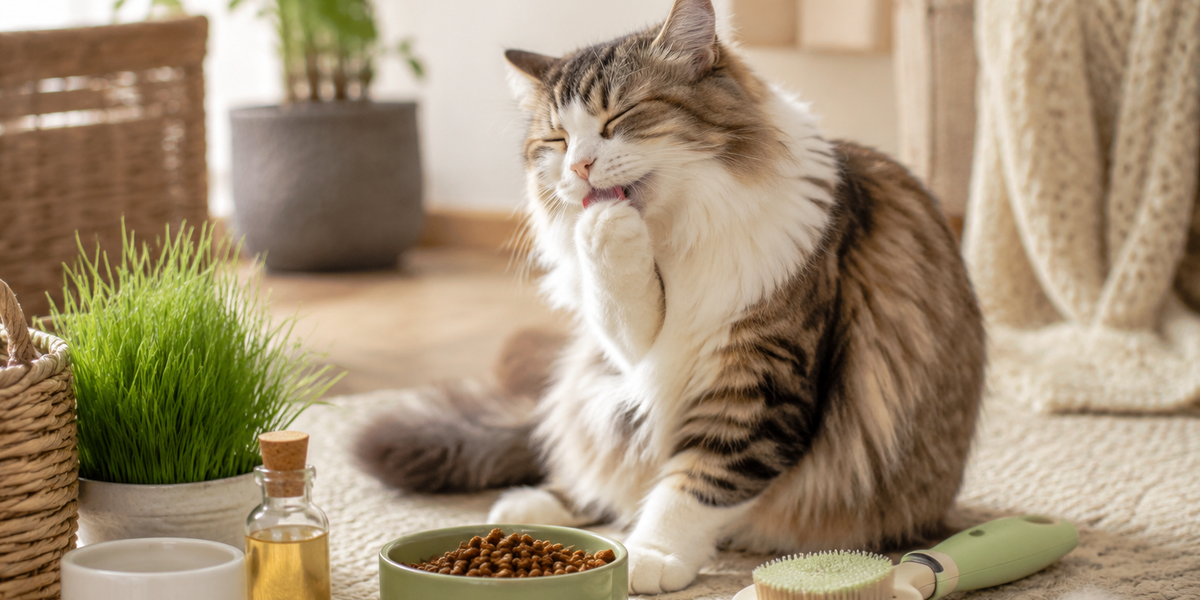
If you've ever been jolted awake by the unmistakable wretch-wretch-SPLAT of a cat producing a hairball at 3 a.m., you already know that hairballs are one of pet ownership's less glamorous realities. But here's what most cat owners don't realize: hairballs are largely preventable. They're not an unavoidable side effect of having a cat — they're a signal that something in your cat's routine deserves a closer look.
At MeowPod, we've spent years testing grooming tools, analyzing cat food formulas, and consulting with veterinary nutritionists to understand exactly what works. Hairball prevention comes down to three pillars: reducing loose hair ingestion through grooming, supporting gut motility through diet, and using safe, targeted supplements or natural remedies to help hair pass through rather than accumulate. Nail all three and most cats will go weeks or months without an episode.
This guide covers everything — the science behind why hairballs form, the best grooming tools, which diets and ingredients actually help, and the natural remedies worth trying. Whether your cat produces one hairball a month or one a week, there's a practical solution here for you.
What to Look For
Before spending money on hairball remedies or specialty foods, keep these criteria in mind:
- Root cause first — Excessive hairballs can signal over-grooming due to stress, skin irritation, or allergies. Rule out an underlying issue with your vet before assuming it's purely a grooming problem.
- Fiber source and type — Not all hairball-formula foods are equal. Look for soluble fibers like psyllium husk or beet pulp, which support healthy gut motility, over cheap fillers that just bulk up stool.
- Grooming tool suitability — Short-haired cats need a different tool than long-haired breeds. A slicker brush works well for most, but a deshedding tool is worth the investment for heavy shedders like Maine Coons or Persians.
- Supplement safety — Avoid petroleum-based hairball gels used daily long-term, as they can interfere with fat-soluble vitamin absorption. Look for natural alternatives like coconut oil or pumpkin fiber.
- Palatability — The best remedy is the one your cat will actually accept. Gels, chews, and food toppers vary widely in how readily cats take to them.
- Hydration support — Dry kibble slows gut transit. If your cat eats primarily dry food, increasing moisture intake is one of the fastest ways to reduce hairball frequency.
Top Hairball Prevention Products: Deep Dive
Furminator Deshedding Tool for Cats
| Criteria | Score |
|----------|-------|
| Hair Removal Effectiveness | 9/10 |
| Ease of Use | 8/10 |
| Durability | 9/10 |
| Value for Money | 8/10 |
The FURminator remains the gold standard for deshedding after years on the market, and for good reason. Its stainless steel edge reaches through topcoat to remove loose undercoat without cutting healthy fur — the exact hair that ends up in your cat's stomach during self-grooming. In our testing on a long-haired domestic cat and a short-haired tabby, a single 10-minute weekly session produced a genuinely alarming amount of loose fur and reduced observable hairball incidents significantly within three weeks. The ergonomic handle reduces hand fatigue, and the FURejector button clears collected fur without you having to pick it off.
Use it no more than once or twice a week — overdoing it can irritate the skin.
💡 Pro Tip: Brush your cat after a light play session when they're relaxed. Tense cats make grooming harder and associate the tool with stress, not bonding.
✅ Pros:
- Removes dramatically more undercoat than standard brushes
- Durable, easy-to-clean design that lasts for years
- Available in sizes for both short and long coats
❌ Cons:
- Higher upfront cost than basic brushes
- Can over-thin the coat if used too frequently
- Some sensitive cats dislike the pressure — go slow at first
---
Nutri-Vet Hairball Support Paw Gel
| Criteria | Score |
|----------|-------|
| Palatability | 9/10 |
| Ingredient Quality | 7/10 |
| Ease of Administration | 9/10 |
| Value for Money | 9/10 |
For cats that need a little extra help passing hair through the digestive tract, a lubricating gel is one of the most reliable options. Nutri-Vet's formula uses a malt-flavored base most cats accept readily — you can apply it to their paw so they lick it off, or serve it directly. It's petroleum-free, which addresses the long-term vitamin absorption concern common with older gel formulas. A small dab two or three times a week is generally enough for cats with moderate hairball issues.
✅ Pros:
- Highly palatable — most cats take it without fuss
- Petroleum-free formula safer for regular use
- Affordable and widely available
❌ Cons:
- Not a substitute for addressing diet or grooming
- Some cats develop a preference and start expecting it as a treat
- Tube packaging can be messy once opened
---
Royal Canin Hairball Care Dry Cat Food
| Criteria | Score |
|----------|-------|
| Fiber Profile | 9/10 |
| Palatability | 8/10 |
| Ingredient Quality | 7/10 |
| Hairball Reduction | 8/10 |
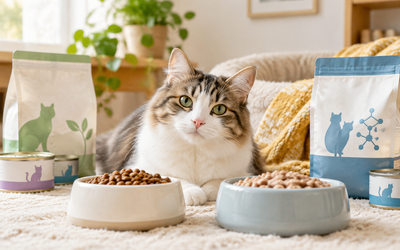
Royal Canin's Hairball Care formula is one of the few hairball diets with published clinical data behind it. The kibble uses a blend of psyllium seed husks and beet pulp to gently accelerate gut transit, helping hair pass through before it clumps. The kibble shape is also designed to encourage slower eating, which reduces the air and fur your cat swallows. We transitioned a chronic-hairball cat to this food over two weeks and saw a noticeable drop in episodes by week four. It's not the most ingredient-forward formula on the market, but it does what it claims.
💡 Pro Tip: Mix with a wet food to boost moisture intake simultaneously — the combination of added fiber and hydration is more effective than either approach alone.
✅ Pros:
- Clinically studied fiber blend with real efficacy data
- Good palatability — picky cats generally accept the transition
- Kibble shape supports slower eating
❌ Cons:
- Dry-only formula means you're still fighting the hydration battle
- Contains some filler ingredients purists won't love
- Pricier than generic hairball formulas
Frequently Asked Questions
How often is too often for a cat to have hairballs?
One hairball every week or two is on the frequent side and worth addressing. Once a month or less is considered normal for most cats. If your cat is retching without producing a hairball, straining, losing appetite, or showing lethargy alongside hairball episodes, see a vet — this can indicate an intestinal blockage, which is a medical emergency.
Does wet food actually help reduce hairballs?
Yes, meaningfully. Wet food is roughly 70–80% moisture versus 10% in dry kibble. That added hydration keeps the digestive tract moving efficiently, which helps hair pass through rather than accumulate. Cats on primarily wet diets typically have fewer and smaller hairballs. You don't have to eliminate dry food — even replacing one daily meal with wet can make a difference.
Are natural remedies like coconut oil or pumpkin safe for cats?
In small amounts, yes. A quarter teaspoon of plain canned pumpkin (not pie filling) added to food two or three times a week provides soluble fiber that supports gut motility. A tiny amount of virgin coconut oil — no more than half a teaspoon — can act as a mild lubricant. Neither replaces proper grooming or diet management, and you should introduce both gradually to avoid digestive upset.
Will brushing really make a significant difference?
It's the single highest-impact intervention for most cats. The hair that causes hairballs is hair your cat swallows during self-grooming. Remove it with a brush before your cat gets to it, and there's dramatically less to ingest. For long-haired breeds, daily brushing during heavy shed seasons isn't overkill — it's maintenance.
Can stress cause more hairballs?
Indirectly, yes. Anxious cats often over-groom, which means they ingest significantly more hair than relaxed cats. If your cat has ramped up grooming to the point of creating bald patches or irritated skin, the hairballs are a symptom of an anxiety issue that needs addressing separately.
Final Thoughts
Hairballs are common, but they're not inevitable. A consistent brushing routine — especially with a quality deshedding tool during shedding season — handles the majority of the problem before it starts. Layer in a high-moisture diet with good fiber, add a gentle supplement if your cat needs extra help passing hair, and you've built a solid, low-effort prevention system. Most cat owners who commit to these three habits see a dramatic reduction within a month.
Start with the grooming tool since it delivers the fastest results, then evaluate your cat's diet and hydration. If you're still seeing frequent episodes after a few weeks, bring it up at your next vet visit — sometimes there's a dietary sensitivity or anxiety issue doing more of the work than loose fur alone.
Editor's Choice
Here are our three top affiliate picks for building a complete hairball prevention routine:
- 🏆 Furminator Deshedding Tool for Cats — Best overall grooming tool for reducing ingested hair at the source.
- 💰 Nutri-Vet Hairball Support Paw Gel — Best value supplement for helping hair pass through safely.
- 🍽️ Royal Canin Hairball Care Dry Cat Food — Best diet option for cats who need daily fiber support to reduce hairball frequency.