We research and recommend products independently. If you buy through links on our site, we may earn a small commission at no extra cost to you.
⭐ Our Top Pick
🏆 Best Overall: Wellness CORE Grain-Free Indoor Formula — high protein, low carb, and formulated specifically for indoor cats who need calorie control without sacrificing nutrition.
💰 Best Value: Purina Pro Plan Savor Adult Cat Food — veterinarian-backed brand that delivers solid nutrition at a price point that works for daily feeding.
Introduction
Cat nutrition isn't just about filling a bowl twice a day. As obligate carnivores, cats have specific dietary requirements that differ dramatically from dogs, humans, and even other pets. Get it wrong, and you're looking at obesity, diabetes, urinary issues, and chronic digestive problems. Get it right, and your cat thrives with a glossy coat, stable energy, and fewer vet visits.
We've spent months comparing ingredient labels, analyzing AAFCO standards, reviewing peer-reviewed veterinary nutrition studies, and cross-referencing thousands of verified buyer experiences to build this guide. Whether you're navigating the wet-versus-dry debate, decoding protein percentages, or trying to understand why grain-free became controversial, we're breaking it all down in plain language.
By the end of this guide, you'll know exactly what to look for on a cat food label, which marketing claims matter (and which are just noise), and how to build a feeding plan that matches your cat's life stage, activity level, and health needs. If you're also troubleshooting health concerns, see our guide on distinguishing UTI symptoms from stress-related behavior, since diet plays a major role in urinary health.
What to Look For in Cat Food
Protein Content & Quality
Cats need a minimum of 26% protein on a dry matter basis (AAFCO standard for adult maintenance), but optimal is closer to 35-45%. Look for named meat sources as the first ingredient—"chicken," "turkey," "salmon"—not vague terms like "poultry meal" or "meat by-products." The source matters as much as the percentage.
Moisture Content
Cats evolved in desert climates and have a low thirst drive. Dry kibble is typically 10% moisture; wet food is 75-82%. Chronic dehydration contributes to kidney disease and urinary crystals. Wet food or moisture supplementation should be part of every cat's diet, especially as they age.
Carbohydrate Levels
Cats have virtually no dietary need for carbs, yet many dry foods contain 30-40% carbohydrates (from grains, potatoes, peas). High-carb diets are linked to obesity and diabetes. Check the guaranteed analysis and calculate carbs by subtraction: 100 - (protein + fat + fiber + moisture + ash).
Fat Sources & Omega Ratios
Healthy fats (chicken fat, salmon oil) provide energy and support skin and coat health. Look for omega-3 fatty acids (EPA/DHA) from fish oil, not just plant-based omega-6. A ratio closer to 5:1 or 10:1 (omega-6 to omega-3) is ideal.
Synthetic Additives & Fillers
Avoid artificial colors, flavors, and preservatives like BHA, BHT, and ethoxyquin. Also watch for excessive plant-based proteins (corn gluten meal, soy protein isolate) used to inflate protein percentages cheaply—cats can't digest these as efficiently as animal protein.
AAFCO Statement & Life Stage
Every bag should have an AAFCO nutritional adequacy statement confirming it's "complete and balanced" for a specific life stage (kitten, adult maintenance, or all life stages). This ensures the food meets minimum standards through feeding trials or nutrient profiles.
💡 Pro Tip: If your cat is a picky eater, don't assume they're just being difficult. Cats have fewer taste buds than dogs and rely heavily on smell and texture. A food's palatability often comes down to fat content and freshness, not fancy flavors.
Understanding Protein: The Non-Negotiable Foundation
Cats are obligate carnivores, meaning they must eat meat to survive. Unlike dogs (omnivores) or humans, cats can't synthesize certain amino acids like taurine and arginine from plant sources. Without adequate animal protein, cats develop heart disease (dilated cardiomyopathy from taurine deficiency), blindness, and reproductive failure.
Protein does more than build muscle—it fuels metabolism, supports immune function, and provides glucose through gluconeogenesis (converting protein to energy). This is why low-protein, high-carb diets leave cats lethargic and overweight.
When comparing foods, focus on biological value—how much of the protein can the cat actually use? Chicken and fish rank high; corn gluten and soy rank low. A food with 32% protein from meat is superior to one with 40% protein padded with plant isolates.
💡 Pro Tip: "Crude protein" on the label is a minimum, not a maximum. It's calculated by measuring nitrogen content, so both high-quality meat and low-quality feather meal can technically count as protein. Always read the ingredient list.
Wet Food vs. Dry Food: The Great Debate
There's no universal winner here—it depends on your cat's health, your budget, and your schedule. Here's the breakdown based on verified research and veterinary consensus.
Wet Food Advantages:
- Hydration: 75-82% moisture content supports kidney function and reduces urinary crystal formation.
- Lower Carbs: Most wet foods have <10% carbs on a dry matter basis.
- Palatability: Stronger aroma and varied textures appeal to picky eaters and senior cats with weakened senses.
- Calorie Control: High water content means more volume per calorie, helping overweight cats feel full.
Wet Food Drawbacks:
- Cost: 2-3x more expensive per calorie than dry food.
- Spoilage: Must be refrigerated after opening; can't be left out all day.
- Dental Myth: Wet food won't clean teeth, but neither does dry kibble (more on this below).
Dry Food Advantages:
- Convenience: Can be left out for free-feeding; easier for busy households or multi-day trips.
- Cost-Effective: Feeds more cats for less money.
- Dental Claims: While kibble doesn't prevent tartar, some prescription diets have larger kibble size and texture that provides mild abrasive cleaning.
Dry Food Drawbacks:
- Dehydration Risk: Cats on kibble-only diets often don't drink enough water to compensate.
- High Carbs: Even grain-free kibble uses peas, lentils, or potatoes as binders, pushing carb content to 25-40%.
- Overeating: Dry food is calorie-dense, making portion control critical.
Our Recommendation:
A combination approach works best for most cats. Use wet food for at least one meal per day to ensure hydration, and supplement with high-quality dry food if needed for convenience or dental variety. If budget allows, prioritize wet food for cats over age seven or those with kidney/urinary issues.
💡 Pro Tip: The "dry food cleans teeth" claim is largely marketing. Cats don't chew kibble long enough for meaningful abrasion, and many kibble pieces shatter on contact. Dental health comes from regular brushing or veterinary cleanings, not food choice.
Ingredient Deep-Dive: What the Label Really Means
Ingredients are listed by weight before cooking ("as fed" basis), which is misleading for meat. "Chicken" might be listed first, but it's 70% water—once cooked, it may rank fourth or fifth. Look for "chicken meal" or "dehydrated chicken" in the top three ingredients, since moisture is already removed and you're seeing true protein concentration.
Red Flags:
- "By-products": Can include nutrient-rich organs (good) or low-quality waste parts (bad). The ambiguity is the problem—you don't know what you're getting.
- Unnamed Fats/Meals: "Animal fat" or "meat meal" without a species = quality control issue.
- High Grain Content: Corn, wheat, and soy are cheap fillers with minimal feline nutritional value.
- Carrageenan: A thickener in some wet foods linked to gastrointestinal inflammation in animal studies. Many premium brands have removed it.
Green Flags:
- Named Proteins First: "Deboned turkey," "salmon meal," "chicken liver."
- Probiotics & Prebiotics: Support gut health (look for Enterococcus faecium, Lactobacillus, or chicory root).
- Chelated Minerals: Easier to absorb (zinc proteinate vs. zinc oxide).
- Natural Preservatives: Tocopherols (vitamin E), rosemary extract.
Feeding Schedules & Portion Control
Free-feeding (leaving food out all day) works for some cats but leads to obesity in others. Scheduled feeding—two to three measured meals per day—gives you better control over intake and lets you monitor appetite changes (an early health indicator).
Use the feeding guide on the bag as a starting point, then adjust based on your cat's body condition. You should be able to feel ribs with light pressure but not see them prominently. An hourglass waist when viewed from above is ideal.
For weight loss, reduce portions by 10-15% and increase playtime rather than switching to "diet" foods, which are often just lower in fat (and therefore palatability). Gradual weight loss—no more than 1-2% of body weight per week—is critical to avoid hepatic lipidosis (fatty liver disease).
💡 Pro Tip: Puzzle feeders and slow-feed bowls aren't just for dogs. They engage your cat's hunting instincts, slow down fast eaters, and provide mental stimulation—especially valuable for indoor cats.
Special Diets: Kittens, Seniors, and Medical Needs
Kittens (Birth to 12 Months):
Need higher protein (30-40%) and fat (18-22%) for growth. Feed kitten-specific food until they reach 90% of adult weight, then transition to adult maintenance. Kittens also need more frequent meals—three to four times daily until six months.
Seniors (7+ Years):
Metabolism slows, kidney function declines, and dental issues emerge. Senior cats often benefit from higher moisture content, easily digestible proteins, and controlled phosphorus (to support kidney health). Some seniors need more calories to maintain weight, not fewer—muscle wasting is common.
Medical Diets:
- Kidney Disease: Low phosphorus, controlled protein (quality over quantity), omega-3s.
- Diabetes: High protein, low carb (<10%), scheduled feeding to match insulin timing.
- Urinary Health: Controlled magnesium/phosphorus, increased moisture. For more on urinary issues and their causes, see our guide on UTI symptoms versus stress-related urinary changes.
- Food Allergies: Limited ingredient diets (novel protein like duck or venison) or hydrolyzed protein.
Always work with your vet before starting a medical diet. Some conditions (like kidney disease) have staging, and nutritional needs change as the disease progresses.
The Grain-Free Controversy: What You Need to Know
In 2018, the FDA began investigating a potential link between grain-free diets and dilated cardiomyopathy (DCM) in dogs. The concern centered on diets high in peas, lentils, and potatoes (used as grain replacements) potentially interfering with taurine absorption.
For cats, the evidence is less clear. Cats require dietary taurine (unlike dogs, who can synthesize it), and taurine deficiency definitely causes DCM. However, most commercial cat foods—grain-free or not—supplement taurine to prevent deficiency.
The takeaway: Grain-free isn't inherently better or worse. What matters is ingredient quality and meeting AAFCO standards. If your cat has a grain allergy (rare but real), grain-free makes sense. Otherwise, focus on protein source and carb levels, not marketing labels.
💡 Pro Tip: If you're feeding a grain-free diet and notice lethargy, rapid breathing, or coughing, have your vet check a taurine level and echocardiogram. Early DCM is reversible with diet changes and taurine supplementation.
Raw Diets & Homemade Food: Proceed with Caution
Raw diets mimic a cat's ancestral prey-based nutrition—high protein, high moisture, zero processing. Advocates report shinier coats, better digestion, and increased energy. Critics cite bacterial contamination risks (Salmonella, E. coli, Listeria) and nutritional imbalances if recipes aren't formulated by a veterinary nutritionist.
If you're considering raw:
- Use commercially prepared raw foods from reputable brands that follow AAFCO guidelines and perform bacterial testing (Instinct Freeze-Dried Raw Boost Mixers is a safer entry point than full raw feeding).
- Never feed raw without supplementation—muscle meat alone is calcium-deficient and will cause skeletal problems over time.
- Practice strict food safety: separate cutting boards, immediate cleanup, and hand washing.
Homemade cooked diets avoid bacterial risk but require precise recipes to meet all nutrient requirements. Consult a board-certified veterinary nutritionist (BalanceIT.com offers customized recipe formulation).
Common Treats & People Food: What's Safe?
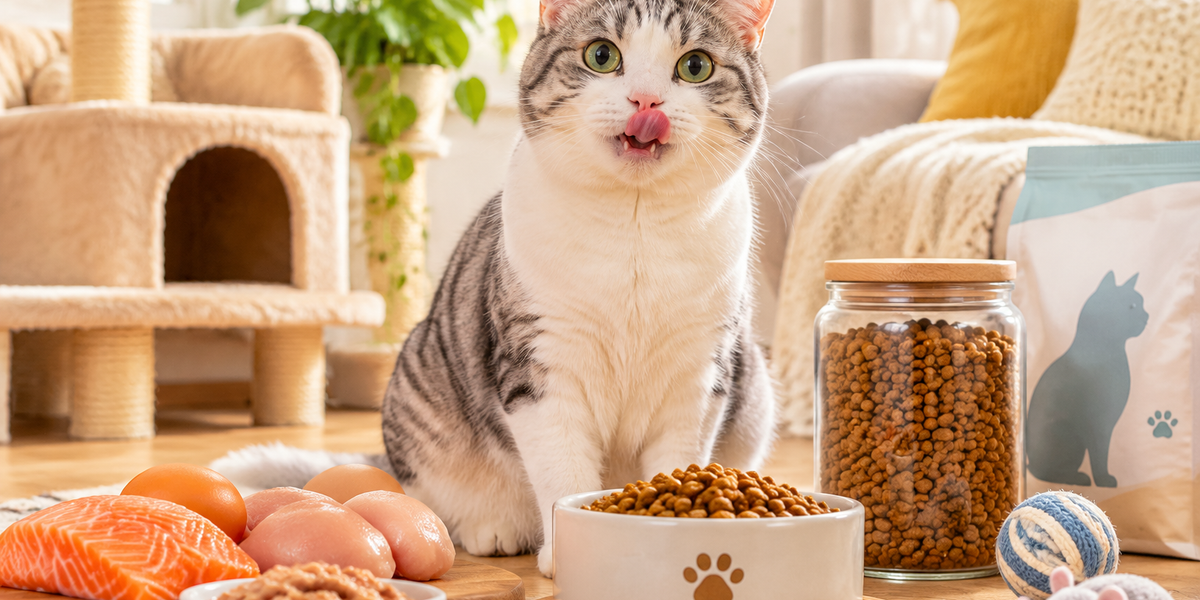
Most commercial cat treats are nutritionally empty—high in salt, fat, and artificial flavors. Limit treats to <10% of daily calories. Healthier options include freeze-dried meat, plain cooked chicken, or small amounts of canned tuna in water (not oil, and not daily due to mercury).
Safe People Foods (in Moderation):
- Cooked lean meats (chicken, turkey, beef)
- Cooked fish (salmon, whitefish)
- Cooked eggs
- Small amounts of plain pumpkin (for digestive upset)
Toxic Foods (Never Feed):
- Onions, garlic, chives (cause anemia)
- Chocolate, coffee, caffeine
- Grapes, raisins
- Xylitol (artificial sweetener)
- Raw dough (expands in stomach)
- Alcohol
For more on what cats can and can't eat, including dairy, see our detailed guide on whether cats can have cheese—the lactose question matters more than most owners realize.
Top Cat Food Picks Based on Verified Nutrition Standards
Wellness CORE Grain-Free Indoor Formula
| Criteria | Score |
|----------|-------|
| Protein Content | 9/10 |
| Ingredient Quality | 9/10 |
| Carbohydrate Level | 8/10 |
| Value for Money | 7/10 |
This formula delivers 38% protein (dry matter basis) with deboned turkey and turkey meal as the first two ingredients. It's specifically formulated for indoor cats who need fewer calories but still require high protein to maintain lean muscle mass. Added probiotics support digestive health, and the grain-free recipe keeps carbs lower than traditional kibble (though still around 20% due to pea and potato content).
The kibble size is small enough for most cats to manage comfortably, and buyer reviews consistently report improved coat quality and stable energy levels. Some finicky eaters reject it initially, but a gradual transition (mixing with old food over 7-10 days) usually resolves palatability concerns.
✅ Pros:
- High protein content (38%) with real turkey
- Grain-free formula reduces carbs
- Added probiotics for digestive health
❌ Cons:
- Premium price point
- Some cats may need transition period
Tiki Cat Puka Puka Luau Wet Food
| Criteria | Score |
|----------|-------|
| Protein Quality | 10/10 |
| Moisture Content | 10/10 |
| Ingredient Transparency | 9/10 |
| Value for Money | 6/10 |
Tiki Cat uses whole, shredded fish (not mystery "fish meal") as the primary ingredient, with broth to reach 82% moisture content. No grains, no carrageenan, no gums—just protein, vitamins, and minerals. It's as close to "what a cat would catch" as commercial food gets.
The texture varies by flavor (some are more shredded, others are flaked), which appeals to cats who prefer variety. The high price reflects ingredient quality, but the nutritional density means you feed less per meal than lower-quality wet foods. This is an excellent choice for cats with kidney disease, urinary issues, or chronic dehydration.
✅ Pros:
- Real shredded fish as first ingredient
- High moisture content (82%) for hydration
- No carrageenan or questionable thickeners
❌ Cons:
- More expensive per feeding than dry food
- Requires refrigeration after opening
Purina Pro Plan Savor Adult Cat Food
| Criteria | Score |
|----------|-------|
| Protein Content | 8/10 |
| Ingredient Quality | 7/10 |
| Affordability | 9/10 |
| Availability | 10/10 |
Pro Plan is the most veterinarian-recommended brand in the U.S., backed by decades of feeding trials and research. The Savor line uses real chicken as the first ingredient and includes rice for digestibility (not filler—some cats actually need easily digestible carbs during GI upset or recovery).
It's not grain-free, and it does contain corn gluten meal as a secondary protein source, which purists dislike. But it meets AAFCO standards, has consistent quality control, and costs about 40% less than premium grain-free brands. For multi-cat households or tight budgets, this is a smart compromise.
✅ Pros:
- Veterinarian-recommended brand
- Affordable for daily feeding
- Real chicken as first ingredient
❌ Cons:
- Contains corn gluten meal as protein booster
- Not grain-free
Instinct Freeze-Dried Raw Boost Mixers
| Criteria | Score |
|----------|-------|
| Protein Purity | 10/10 |
| Convenience | 8/10 |
| Versatility | 9/10 |
| Cost Efficiency | 5/10 |
Freeze-dried raw is raw nutrition without the mess, spoilage risk, or bacterial concerns of fresh raw meat. Instinct's Boost Mixers are 95% meat, organs, and bone (the remaining 5% is vitamins and minerals), with single-ingredient options like pure chicken, beef, or rabbit.
You can use these as a topper to enhance any food (wet or dry), as training treats, or as a full meal if you're committed to raw feeding. The freeze-drying process preserves nutrients while eliminating pathogens, and rehydration with warm water releases aroma that appeals to even the pickiest cats.
The downside is cost—using this as a sole diet runs $4-6 per day for an average cat. But as a supplement or rotational protein source, it's unmatched.
✅ Pros:
- Pure raw protein with no fillers
- Easy to mix with existing food
- Single-ingredient options for sensitive cats
❌ Cons:
- Expensive as a sole diet
- Must be stored properly to maintain freshness
Frequently Asked Questions
How much should I feed my cat per day?
It depends on weight, activity level, and food type. A typical 10-pound adult cat needs about 200-250 calories per day. Check the feeding guide on your food's packaging and adjust based on body condition. If you can't feel your cat's ribs easily, reduce portions by 10%. For weight gain, increase by 10% and add an extra meal rather than larger portions.
Can I switch my cat's food abruptly?
No—sudden food changes cause vomiting and diarrhea. Transition over 7-10 days by mixing increasing amounts of new food with decreasing amounts of old food. Start with 25% new/75% old for two days, then 50/50, then 75/25, then 100% new. Some sensitive cats need an even slower transition.
Is grain-free food better for my cat?
Not automatically. Grain-free became a marketing trend, but cats don't have a biological need for grains OR the starches that replace them (peas, lentils, potatoes). What matters is total carbohydrate percentage and protein quality. If your cat has a diagnosed grain allergy, grain-free makes sense. Otherwise, judge the food by its first five ingredients and macro breakdown.
How do I know if my cat has a food allergy?
Common signs include chronic itching (especially around the face and ears), hair loss, vomiting, diarrhea, and recurring ear infections. True food allergies are less common than people think—most digestive upsets are from poor-quality ingredients or abrupt food changes, not allergies. Diagnosis requires a strict elimination diet (8-12 weeks of a novel protein or hydrolyzed diet) under veterinary guidance.
Should I add supplements to my cat's food?
If you're feeding a commercial food with an AAFCO statement, supplementation is usually unnecessary and can cause imbalances (too much vitamin A or D is toxic). Exceptions: cats on homemade diets (require precise supplementation), senior cats with joint issues (glucosamine/chondroitin under vet guidance), or cats with diagnosed deficiencies (like taurine). Always consult your vet before adding supplements.
Final Thoughts
Cat nutrition doesn't have to be overwhelming once you understand the basics: prioritize animal protein, watch carbohydrate levels, ensure adequate moisture, and read ingredient labels with a critical eye. The "best" food is the one your cat will eat consistently, that meets AAFCO standards, that fits your budget, and that keeps your cat at a healthy weight with good energy and coat quality.
Don't get paralyzed by perfectionism. A mid-tier food fed correctly beats a premium food fed inconsistently. And remember that nutrition is just one piece of feline health—regular vet visits, dental care, parasite prevention, and environmental enrichment all matter just as much.
If you're making a food change, transition slowly, monitor your cat's response (stool quality, energy, coat, appetite), and adjust as needed. And if you're ever unsure—especially with a kitten, senior cat, or cat with medical issues—consult a veterinarian or board-certified veterinary nutritionist. The investment in getting nutrition right now pays off in years of better health and lower vet bills down the line.
Editor's Choice: Our Top Nutrition Picks for 2026
After comparing dozens of formulas and analyzing ingredient quality, protein sources, and verified buyer feedback, here are our top recommendations:
Wellness CORE Grain-Free Indoor Formula — Best overall for adult cats who need high protein, controlled calories, and quality ingredients without the premium raw-food price tag.
Tiki Cat Puka Puka Luau Wet Food — Best wet food for cats who need hydration support, senior cats, or anyone committed to feeding closer to a natural prey-based diet.
Purina Pro Plan Savor Adult Cat Food — Best budget pick that still delivers veterinarian-backed nutrition for multi-cat households or owners watching costs without sacrificing quality.