Introduction
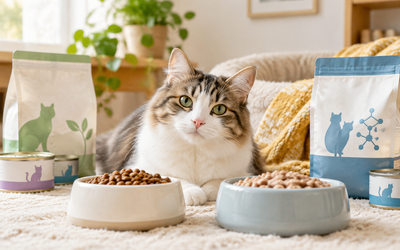
If your cat spends their days ruling the couch rather than hunting the backyard, their nutritional needs are different from a strictly outdoor cat. Indoor cats burn fewer calories, are prone to weight gain, and can develop urinary tract issues if they don't get enough moisture in their diet. Choosing the right food in 2026 isn't just about picking something off the shelf — it's about understanding what your cat's body actually needs.
We've spent years researching feline nutrition, consulting vet guidelines, and yes, watching plenty of opinionated cats reject perfectly good food. In this guide, we break down the three main diet types — wet, dry, and raw — so you can make a confident, informed choice.
Whether you have a lazy senior tabby or a hyperactive young rescue, by the end of this guide you'll know exactly what to look for on a label and which feeding style fits your lifestyle.
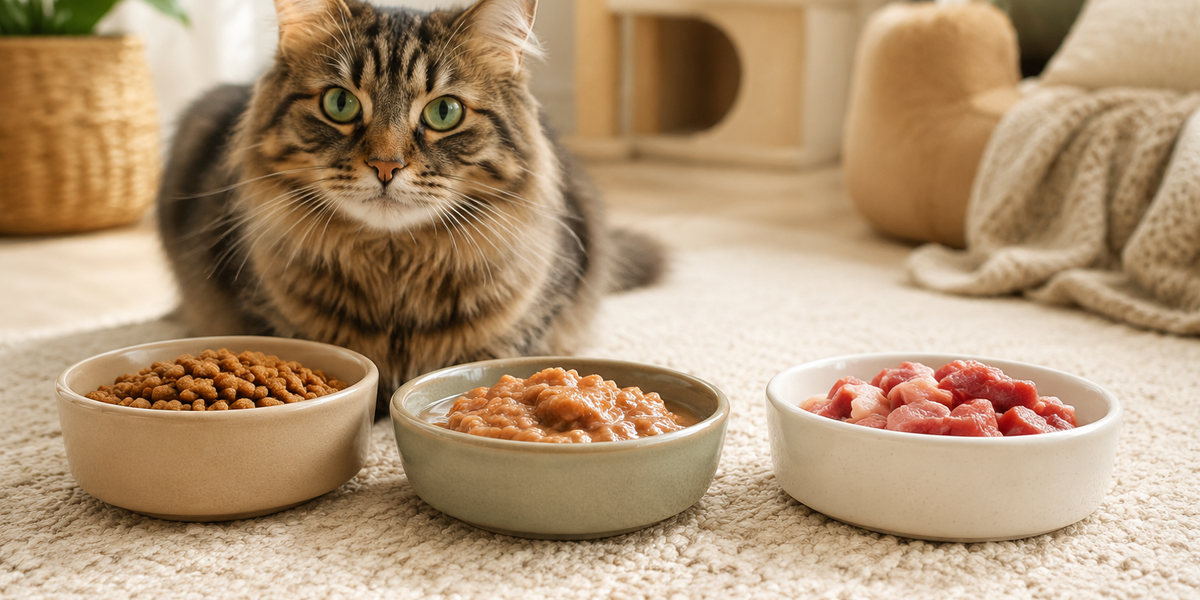
Wet vs. Dry vs. Raw: What's the Difference?
Wet Cat Food
Wet food (canned or pouched) typically contains 70–80% moisture, closely mimicking the water content of a cat's natural prey diet. For indoor cats, this is a significant benefit — most cats are notoriously poor drinkers, and chronic low water intake is a leading cause of kidney disease and urinary crystals.
Pros:
- High moisture supports kidney and urinary health
- High protein, lower carbohydrate content than most dry foods
- More palatable for picky eaters and senior cats
- Easier to control portion sizes for weight management
Cons:
- More expensive per calorie than dry food
- Spoils quickly once opened (must refrigerate and use within 24–48 hours)
- Can contribute to dental plaque without supplemental dental care
Dry Cat Food (Kibble)
Kibble remains the most popular choice for convenience and cost. Modern premium dry foods have improved significantly, but they're still relatively low in moisture (around 10%) and higher in carbohydrates.
Pros:
- Convenient and easy to store
- Budget-friendly
- Some formulas support dental health through mechanical chewing
- Works well with puzzle feeders to slow down fast eaters
Cons:
- Low moisture — must ensure cat drinks enough water separately
- Often higher in carbs and starch, which cats don't metabolize efficiently
- Lower protein density compared to wet or raw
💡 Pro Tip: If you feed primarily dry food, add a cat water fountain nearby. Moving water encourages cats to drink significantly more than a still bowl.
Raw Diet
A biologically appropriate raw food (BARF) or whole prey diet is gaining traction among cat owners who want to feed as close to nature as possible. Raw diets typically include raw muscle meat, organs, and ground bone.
Pros:
- Closely mirrors a cat's ancestral diet
- High moisture and protein, minimal processing
- Many owners report improvements in coat quality, energy, and digestion
Cons:
- Bacterial contamination risk (Salmonella, Listeria) — requires careful handling
- Nutritionally incomplete if not properly balanced
- Time-consuming and requires freezer space
- Not recommended for immunocompromised cats or households with young children
How to Choose the Right Food for Your Indoor Cat
Following a few practical steps will help you filter through the overwhelming number of options on the market.
- Check the AAFCO statement. Look for "complete and balanced" on the label for your cat's life stage (adult maintenance, all life stages, etc.).
- Prioritize a named protein source first. "Chicken," "salmon," or "turkey" should appear before any fillers. Avoid foods where "corn" or "wheat gluten" leads the ingredient list.
- Watch the carbohydrate content. Cats are obligate carnivores — they have limited ability to process carbs. Aim for under 10% carbs on a dry matter basis, especially for overweight cats.
- Consider your cat's health history. Cats prone to urinary issues benefit most from wet food. Cats with dental disease may need specific textures. Always loop in your vet for cats with chronic conditions.
- Transition slowly. When switching foods, mix old and new over 7–10 days to avoid digestive upset. Start with 25% new food and increase gradually.
💡 Pro Tip: Don't be seduced by "grain-free" marketing alone. Grain-free doesn't automatically mean low-carb — many grain-free kibbles replace grains with potatoes or peas, which carry similar carbohydrate loads.
Common Mistakes Indoor Cat Owners Make
Free-Feeding Kibble All Day
Leaving dry food out 24/7 is one of the top contributors to feline obesity. Indoor cats have limited opportunities to burn calories, so open buffets lead to overeating fast. Transition to scheduled meals — two to three times per day — to keep weight in check.
Ignoring Hydration
Many owners assume their cat drinks enough water. In our experience, most don't — especially on a dry food diet. Add a second water source, try a fountain, or incorporate wet food meals to significantly boost daily water intake.
Sticking to One Protein Forever
Rotating between two or three protein sources (e.g., chicken, turkey, fish) reduces the risk of developing food sensitivities and keeps your cat interested in meals. It also prevents nutritional gaps that can occur when relying on a single food source long-term.
Choosing Food Based on Price Alone
The cheapest option often contains the lowest quality ingredients and the highest filler content. You don't need to buy the most expensive food on the shelf, but investing in a mid-tier or premium brand with transparent sourcing often pays off in fewer vet visits down the road.
Frequently Asked Questions
How much should I feed my indoor cat per day?
Most adult indoor cats need roughly 20 calories per pound of body weight per day, but this varies with age, activity level, and health status. Always follow the feeding guidelines on the packaging as a starting point, then adjust based on your cat's body condition score. Your vet can help you find the right target weight.
Is wet food really better than dry for indoor cats?
For most indoor cats, yes — the added moisture supports urinary and kidney health, and the higher protein-to-carb ratio aligns better with feline biology. That said, a high-quality dry food with ample water access is far better than a low-quality wet food. Quality matters more than format.
Can I mix wet and dry food?
Absolutely — this is one of our favorite approaches. Feeding wet food once or twice daily while keeping dry food available (in controlled portions) gives your cat the hydration benefits of wet food and the convenience of kibble. Just account for total daily calories across both.
Is raw feeding safe for indoor cats?
Raw feeding can be safe when done correctly with commercially prepared, AAFCO-compliant raw formulas. Home-prepared raw diets carry higher risk of nutritional imbalance and bacterial contamination. If you're curious, start with a reputable freeze-dried raw option, which is safer and easier to handle.
How do I know if my cat's food isn't working for them?
Watch for these signs: dull or flaky coat, frequent vomiting or loose stools, excessive shedding, low energy, or unexplained weight changes. Any of these can indicate a food isn't agreeing with your cat. Switch foods gradually and consult your vet if symptoms persist.
Final Thoughts
Feeding your indoor cat well doesn't have to be complicated. Prioritize high-quality protein, adequate moisture, and appropriate calorie portions — and you'll be giving your cat a strong foundation for a long, healthy life.
Whether you go with premium wet food, a carefully chosen kibble, or explore the world of raw feeding, the best cat food is the one your cat thrives on. Pay attention to their coat, energy, weight, and litter box habits — your cat will tell you when something's working.
Start with one change at a time, track how your cat responds, and don't hesitate to involve your vet. Your indoor cat is counting on you, and with the right nutrition in place, those couch-napping years ahead will be happy and healthy ones.